
Vietnam India Trade: 2026 Supply Chain Strategy Guide
28/10/2025
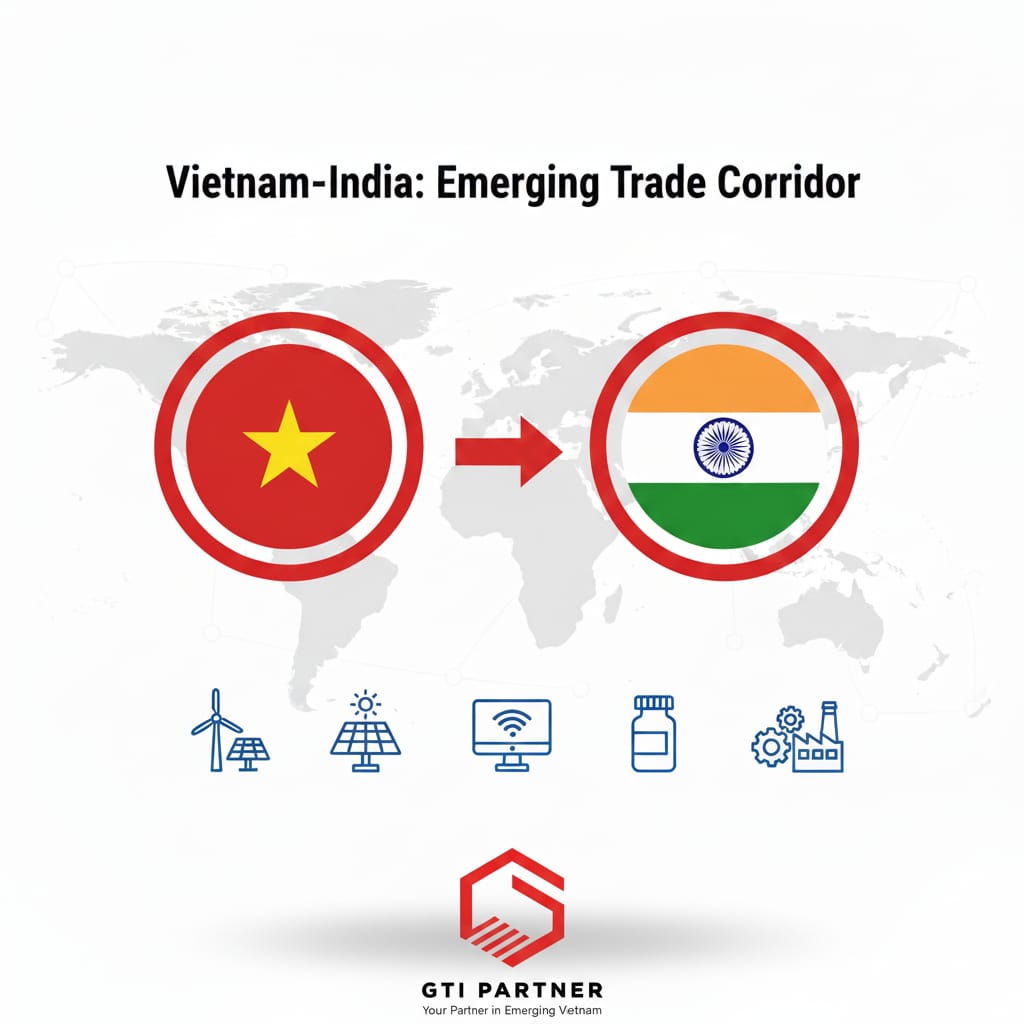
Emerging Trade Corridors Across the South Asia – ASEAN Axis
As Vietnam continues to rise as a key production hub in Asia, its trade ties with India are becoming one of the most dynamic economic relationships in the region. Over the past decade, Vietnam–India bilateral trade has grown exponentially, driven by shared strategic goals, complementary industries, and expanding free trade cooperation within ASEAN and beyond.
A Rapidly Growing Trade Relationship
According to data from both governments, Vietnam–India trade surpassed USD 15 billion in 2024, marking a strong rebound after global supply chain disruptions. India is now among Vietnam’s top 10 trading partners, while Vietnam has become India’s fourth-largest trading partner in ASEAN.
The trade structure between the two economies is diverse — India exports machinery, iron and steel, pharmaceuticals, and animal feed, while Vietnam exports electronics, chemicals, textiles, and natural rubber. The increasing exchange of technology, agricultural products, and renewable energy components points to a maturing and balanced partnership.
Strategic Alignment and the “Act East” Policy
India’s Act East Policy and Vietnam’s Look West Policy have established a strong foundation for bilateral cooperation. Both countries share interests in enhancing regional connectivity, maritime trade, and sustainable industrial growth.
The Indo–Pacific Economic Framework (IPEF) and the ASEAN–India Free Trade Agreement are further facilitating market access and tariff reduction, making cross-border trade smoother for SMEs and large enterprises alike.
With growing geopolitical shifts and supply chain diversification away from China, Vietnam has emerged as India’s ideal gateway into ASEAN, while Indian investors bring technical expertise, pharmaceuticals, and IT capabilities that complement Vietnam’s manufacturing ecosystem.
Key Sectors Driving the Next Phase of Growth
The next chapter in Vietnam–India trade will be powered by technology, renewable energy, and digital transformation:
- Renewable Energy: Indian companies are investing in wind and solar projects in Vietnam, leveraging Vietnam’s net-zero commitment.
- Pharmaceuticals and Healthcare: India’s generic drug industry is finding new demand in Vietnam’s expanding healthcare system, prompting increased corporate entity setups.
- ICT and Innovation: Indian IT firms are collaborating with Vietnamese counterparts to strengthen software development and cybersecurity capabilities.
- Manufacturing and Supply Chain: As global companies diversify operations, Vietnam–India partnerships offer alternative supply routes for electronics and industrial goods.
Opportunities for Global SMEs
For global SMEs, this growing trade corridor offers vast opportunities:
- Vietnam provides direct access to ASEAN’s supply chain networks and manufacturing capabilities.
- India offers scale, innovation, and technical expertise.
Together, they form a powerful bridge between Southeast Asia and South Asia, ready to fuel regional growth. Outbound companies moving along this axis frequently initialize operations by setting up a representative office in vietnam to handle cross-border trade matching prior to factory deployment.
At GTI Partner, we support international firms launching across regional corridors by deploying secure vietnam market entry services to optimize tax, licensing, and corporate operations. For detailed timelines and deliverables on setting up operations along the South Asia–ASEAN axis, explore our comprehensive vietnam market entry packages.
Related posts
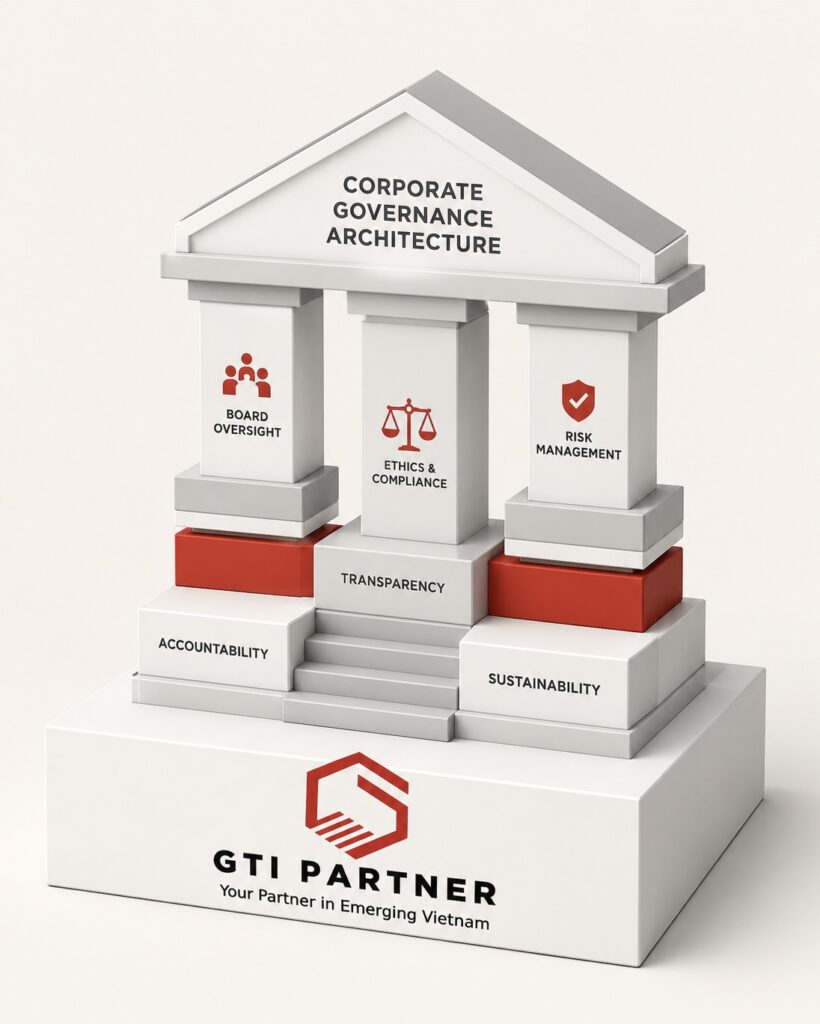
Corporate Governance Vietnam: 2026 Investor Guide
When entering the Vietnamese market, understanding Corporate Governance in Vietnam is the most critical step
FDI Control Framework: Governance & IP Security in Vietnam
FDI Control Framework: Governance & IP Security in Vietnam For foreign investors in Vietnam, the

Vietnam Market Entry Strategy 2026: The Comprehensive Guide
Vietnam Market Entry Strategy 2026: The Comprehensive Guide Developing a professional Vietnam market entry strategy