
Navigating Vietnam Labor Laws & Compliance for Foreign Investors (2026 Update)
04/07/2026
Vietnam labor compliance is a critical pillar for operational stability in 2026. As regulatory frameworks evolve for foreign-invested enterprises, staying compliant with local statutes is essential for sustainable growth. For official data, refer to the Ministry of Labour – Invalids and Social Affairs (MOLISA). Mastering these rules is a key part of your Vietnam JV Governance Manifesto.
The 2026 Vietnam Labor Compliance Landscape
Vietnam’s labor enforcement has tightened significantly this year. Authorities are moving toward a fully digitized compliance environment, which impacts how you manage your workforce. For a broader view on how these compliance shifts fit into your total entry strategy, see our recent breakdown on the 3 Hidden Vietnam Market Entry Bottlenecks.
- Electronic Labor Contracts: Under 2026 regulations, labor contracts must now be managed via centralized electronic platforms. Contracts require unique identification codes and digital signatures to be considered legally traceable.
- Data Protection: The 2025/2026 Data Protection laws now mandate that businesses implement strict protocols for handling employee data, from recruitment through to termination.
- Inspection Intensity: Expect increased scrutiny from labor authorities. Data sharing between tax, social insurance, and labor departments is now the standard, making “off-the-books” arrangements a significant liability.
Managing Regional Vietnam Labor Compliance: HCMC vs. Industrial Zones
When planning your market entry, location selection is as much a regulatory decision as it is a real estate one. Your choice of zone dictates your statutory minimum wage and compliance reporting frequency.
- Ho Chi Minh City (Tier 1 Hub): While HCMC offers top-tier infrastructure and access to skilled management, it carries the highest statutory minimum wage and intense competition for talent.
- Adjacent Industrial Zones (Tier 2 & 3): Provinces such as Long An or surrounding industrial hubs offer lower labor rates—often 15% to 20% lower than HCMC—but may require more robust internal training programs to bridge the technical skill gap.
Operational Tip: Do not choose a location based solely on wage costs. If you move to a lower-tier zone, factor in the “hidden cost” of commuting managers from urban centers or investing in internal automation training to maintain productivity.
Key Compliance Risks for Foreign Firms
Foreign SMEs often fall into common traps that trigger audits or administrative penalties. To maintain resilience, prioritize these three areas:
- Employee Misclassification: Authorities are heavily scrutinizing the “consultant vs. employee” distinction. If you hire contractors to perform full-time operational roles, you risk retroactive social insurance contributions and heavy penalties.
- Overtime & Benefits: While overtime caps have been adjusted for specific industries, strict daily and monthly limits remain. Ensure your payroll software is configured to the latest regional minimum wage tiers.
- Foreign Worker Licensing: The process for work permits has been standardized and digitized. Ensure you apply at least 30–45 days before the intended start date, as inconsistent documentation remains the primary cause of permit rejection.
Proactive Governance
Labor compliance is a moving target. For a comprehensive look at how these labor and operational frameworks fit into your overall company structure, read our Vietnam JV Governance Manifesto.
Strategic Governance for 2026
Vietnam’s regulatory landscape is shifting. We have developed a comprehensive framework for foreign investors to maintain control and protect their operational intent.
Read the Vietnam JV Governance ManifestoRelated posts
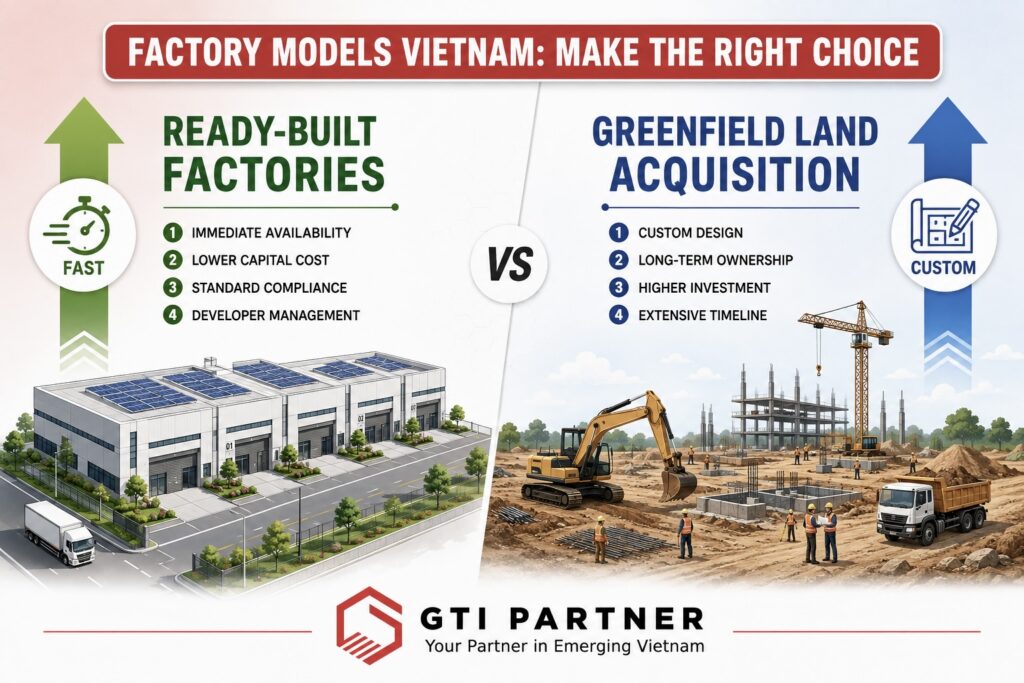
Ready-built factories vs greenfield land acquisition: Choosing the right model in Vietnam
Ready-built factories vs greenfield land acquisition: Choosing the right model in Vietnam When expanding manufacturing

Vietnam’s next generation of industrial parks: What foreign investors need beyond land and infrastructure
Vietnam’s next generation of industrial parks: What foreign investors need beyond land and infrastructure When
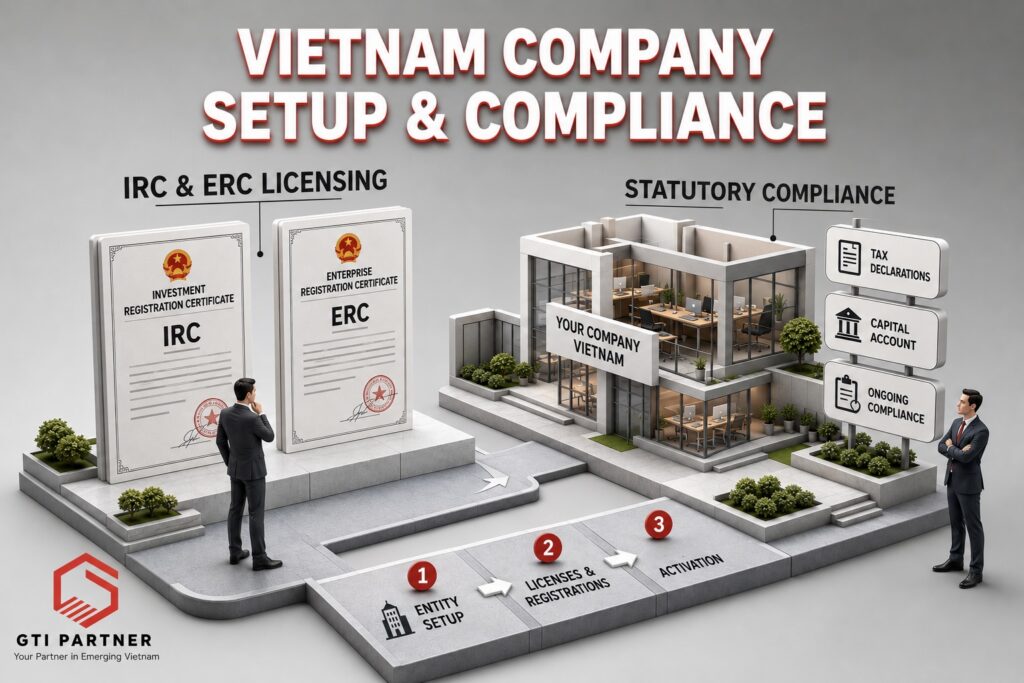
Company registration in Vietnam under the 2026 investment law
Company registration in vietnam under the 2026 investment law Starting a business in Southeast Asia
LLC vs JSC in Vietnam: Which Corporate Structure is Best for Foreign Investors?
LLC vs JSC in Vietnam: Which Corporate Structure is Best for Foreign Investors? Evaluating LLC
Vietnam Market Entry Strategy: 2026 Mistakes to Avoid
Vietnam business entry errors: 2026 Mistakes to Avoid Expanding your business into Southeast Asia requires