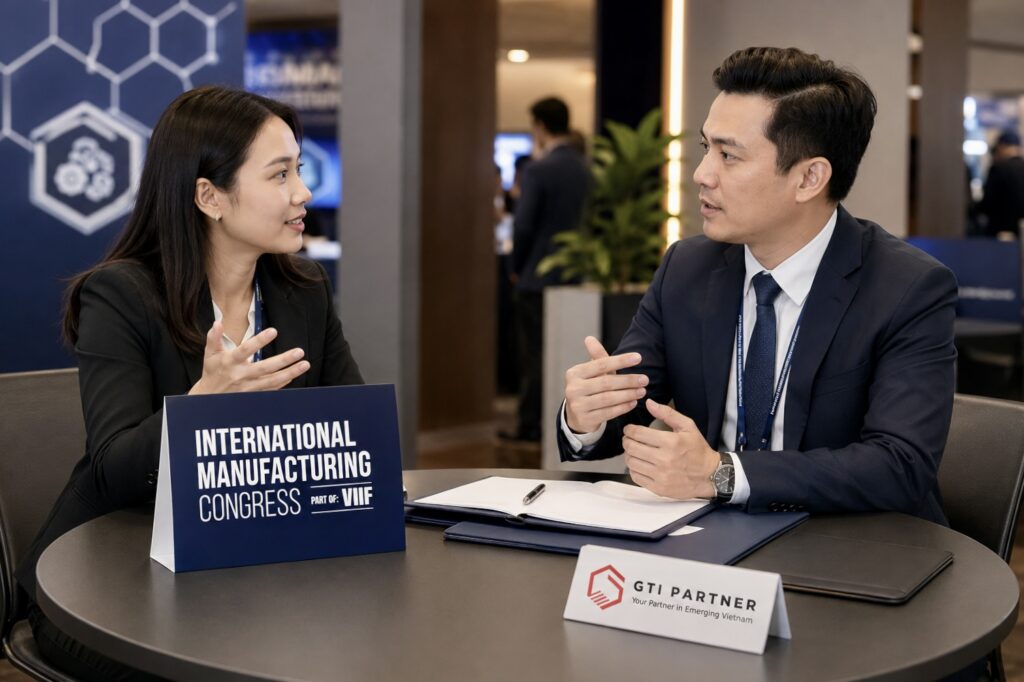
How Foreign SMEs Can Use Vietnam as a Dual Hub for Export and ASEAN Expansion
23/12/2025
Why Vietnam Is Emerging as a Dual Hub for Foreign SMEs
For foreign small and medium-sized enterprises (SMEs), Vietnam is no longer just a low-cost manufacturing destination. It is increasingly positioned as a dual function business hub: a competitive export base to global markets and a strategic launchpad into ASEAN.
Vietnam as a Global Export Hub
Vietnam has built a strong reputation as a reliable export platform for foreign companies across manufacturing, agri-processing, electronics, furniture, textiles, and industrial components. Its advantages include a skilled workforce, improving infrastructure, and extensive participation in free trade agreements with major economies.
Foreign SMEs can establish production or sourcing operations in Vietnam to serve markets such as the EU, North America, Japan, and Australia while benefiting from preferential trade access, diversified supply chains, and cost efficiencies.
See Vietnam Free Trade Zones 2045
Vietnam as a Gateway to ASEAN
Beyond exports, Vietnam offers a unique position within ASEAN. With a population of nearly 100 million, a fast-growing middle class, and proximity to key regional markets, Vietnam enables SMEs to test, localize, and scale business models before expanding into neighboring countries such as Thailand, Indonesia, Malaysia, and the Philippines.
For many foreign SMEs, Vietnam functions as a regional headquarters light. Companies can centralize operations, business development, and regional partnerships while managing risk and investment levels.
Why Vietnam Works for Foreign SMEs
Vietnam’s regulatory environment has steadily improved, especially for foreign-owned enterprises. Combined with strong domestic demand, rising digital adoption, and government support for investment, the market allows SMEs to enter progressively rather than all at once.
More importantly, Vietnam supports phased market entry strategies. Foreign SMEs can start with representative offices, trading entities, or pilot projects before committing to larger-scale operations across ASEAN.
Getting the Strategy Right
Success in Vietnam requires more than market entry. Foreign SMEs must clearly define whether Vietnam is being used primarily for export, regional expansion, or both. Business structure, partner selection, compliance, and go-to-market strategy must align with that objective from day one. This is where local insight becomes critical.
From Market Entry to Regional Expansion: GTI Partner’s Role
GTI Partner supports foreign SMEs in structuring, validating, and executing Vietnam market entry strategies that are commercially viable and regionally scalable. From export readiness and partner sourcing to ASEAN expansion planning, GTI Partner helps companies turn Vietnam into a strategic growth platform rather than a standalone market.
Explore Our Vietnam Market Services

Related posts

Vietnam’s next generation of industrial parks: What foreign investors need beyond land and infrastructure
Vietnam’s next generation of industrial parks: What foreign investors need beyond land and infrastructure When
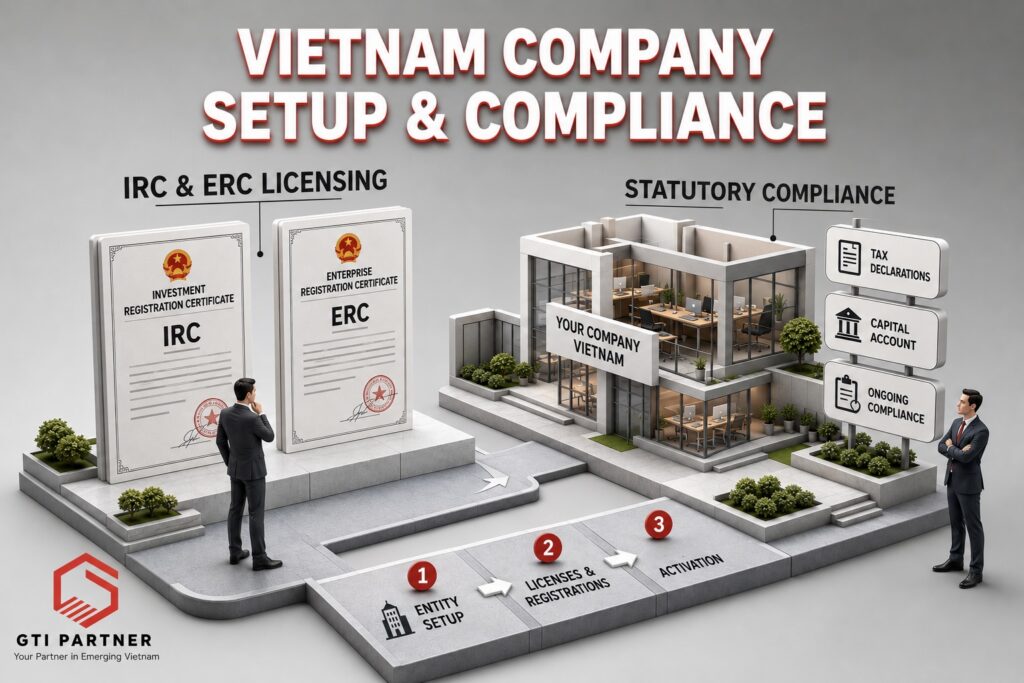
Company registration in Vietnam under the 2026 investment law
Company registration in vietnam under the 2026 investment law Starting a business in Southeast Asia
LLC vs JSC in Vietnam: Which Corporate Structure is Best for Foreign Investors?
LLC vs JSC in Vietnam: Which Corporate Structure is Best for Foreign Investors? Evaluating LLC
Vietnam Market Entry Strategy: 2026 Mistakes to Avoid
Vietnam business entry errors: 2026 Mistakes to Avoid Expanding your business into Southeast Asia requires