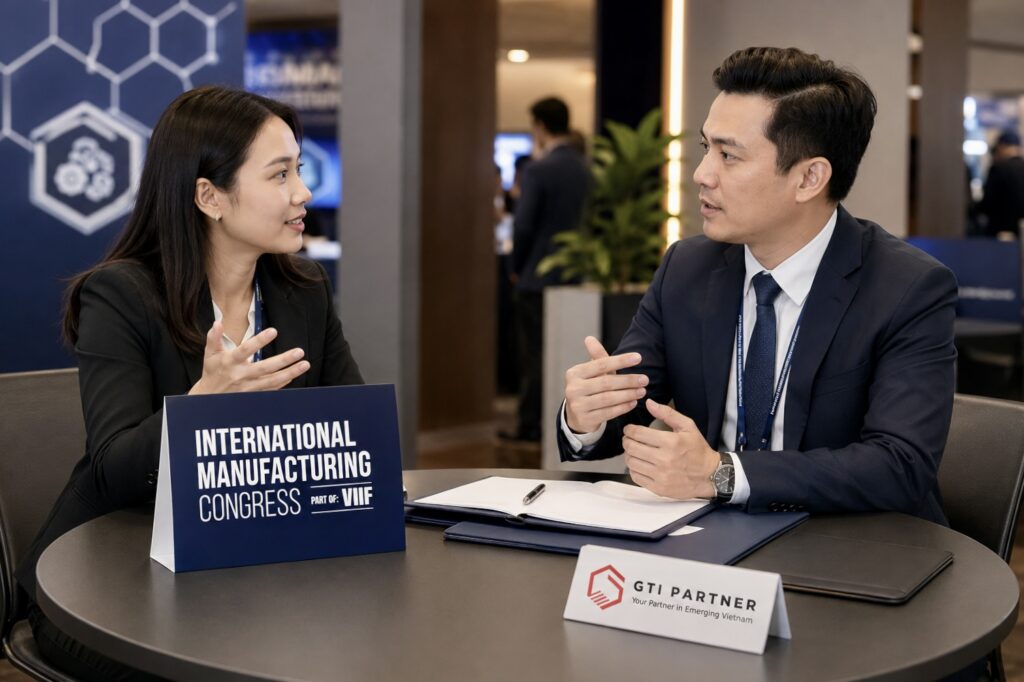
Vietnam’s Strategic Advantage in the Global Supply Chain Reset
23/01/2026
Vietnam’s Strategic Advantage in the Global Supply Chain Reset
As global supply chains continue to shift, Vietnam is emerging as one of the most strategically positioned economies in Asia. For SMEs and mid-market investors, the opportunity is no longer theoretical. It is operational, immediate, and competitive.
See Vietnam vs. Thailand 2025: Where Should SMEs Bet on Growth?
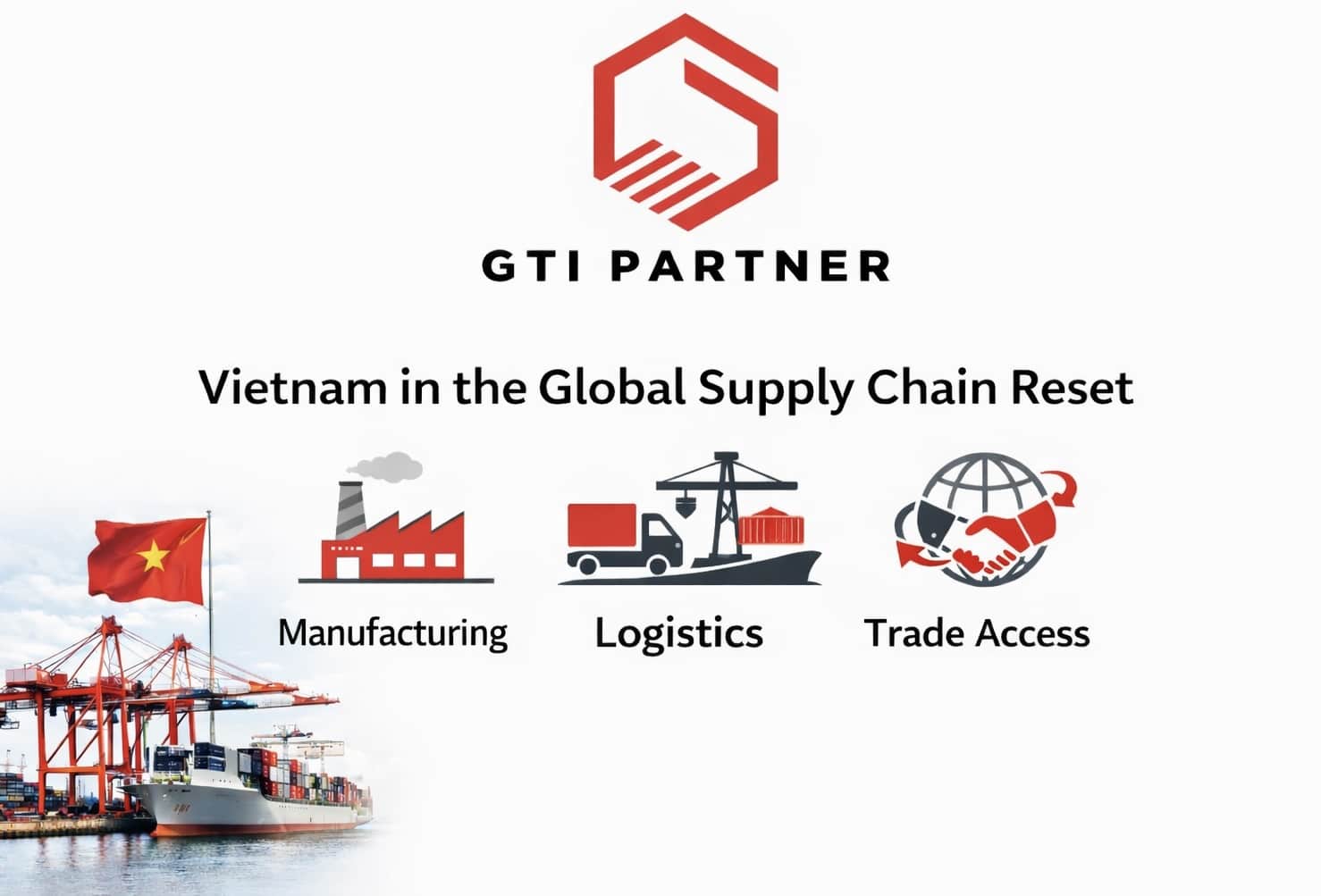
Vietnam’s advantage is driven by three converging factors:
- Manufacturing depth beyond low-cost assembly
Vietnam’s industrial base has evolved rapidly. It now spans electronics, precision engineering, and higher-value manufacturing, allowing foreign firms to move beyond basic assembly into more resilient production models. - Logistics and infrastructure improvements
Sustained investment in ports, transportation networks, and digital infrastructure is reducing operational friction. These improvements are strengthening Vietnam’s role as an export platform integrated into global supply chains. - Preferential trade access to global markets
Vietnam’s extensive network of free trade agreements gives foreign-invested enterprises preferential access to key markets, including the US, EU, and major Asia-Pacific economies.
A Practical Framework for Entering Vietnam: From Market Insight to Execution
However, entering Vietnam is not simply a matter of incorporation. Regulatory interpretation, licensing timelines, and operational structuring vary by sector and location. Many market entry failures occur not because of weak demand, but due to fragmented planning and underestimating local execution complexity.
For SMEs, success in Vietnam depends on a structured, end-to-end entry strategy. This includes realistic market sizing, regulatory clarity, cost modeling, and a locally grounded operational plan. When these elements are aligned, Vietnam offers not just growth, but long-term strategic resilience.
Related posts
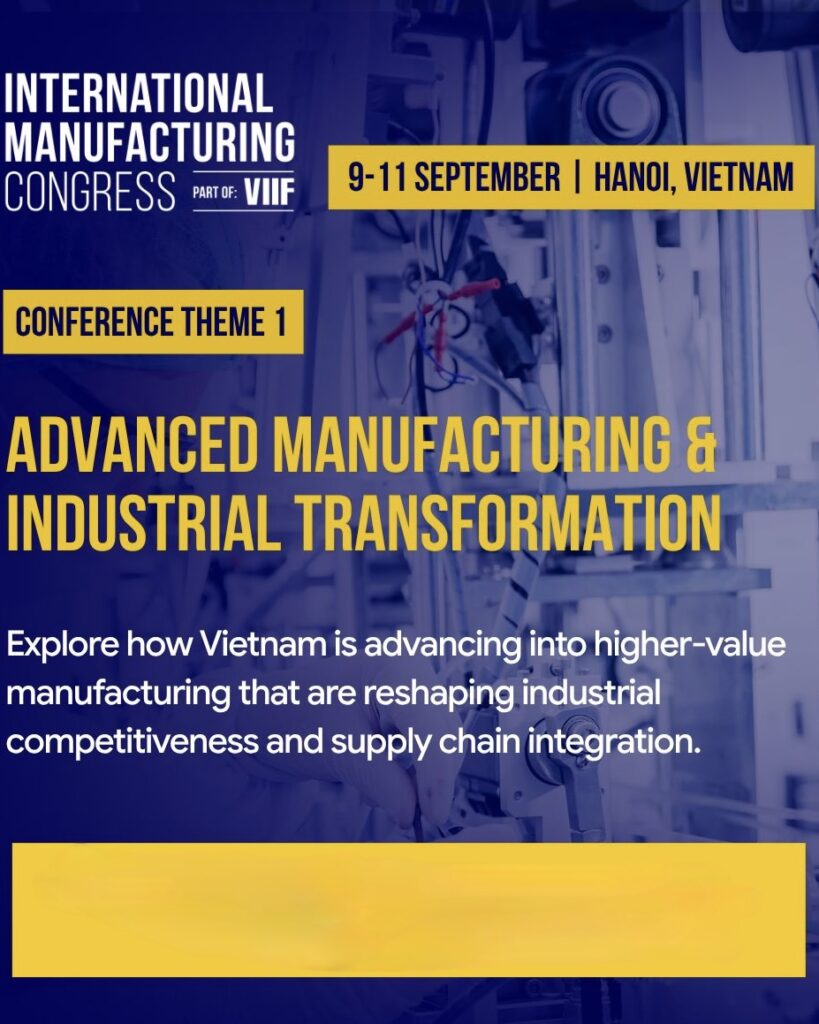
Vietnam’s next generation of industrial parks: What foreign investors need beyond land and infrastructure
Vietnam’s next generation of industrial parks: What foreign investors need beyond land and infrastructure When
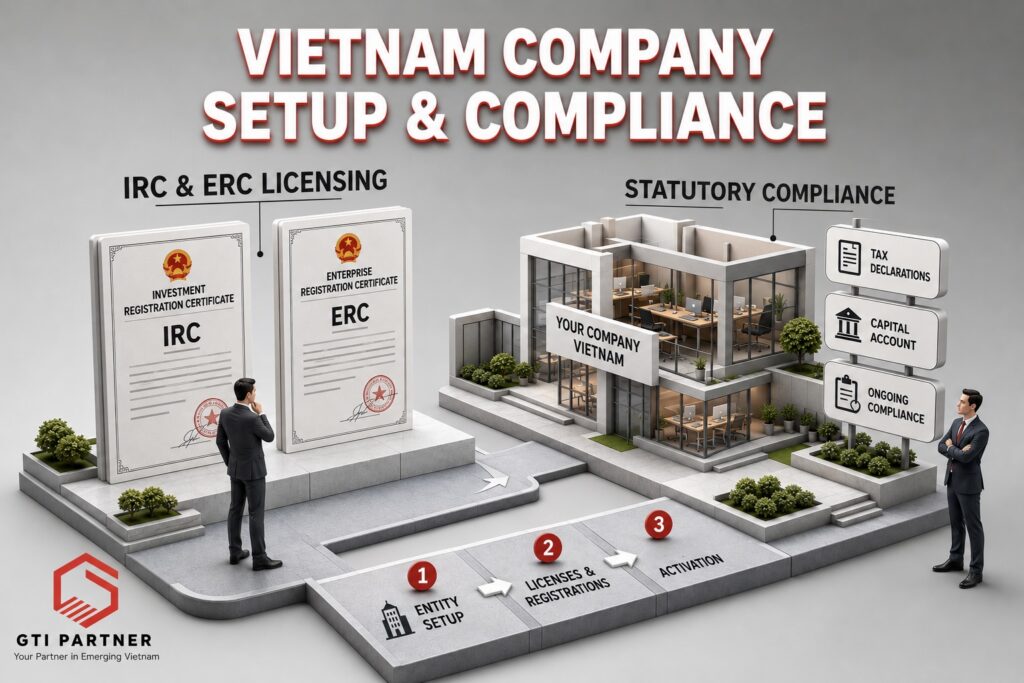
Company registration in Vietnam under the 2026 investment law
Company registration in vietnam under the 2026 investment law Starting a business in Southeast Asia
LLC vs JSC in Vietnam: Which Corporate Structure is Best for Foreign Investors?
LLC vs JSC in Vietnam: Which Corporate Structure is Best for Foreign Investors? Evaluating LLC
Vietnam Market Entry Strategy: 2026 Mistakes to Avoid
Vietnam business entry errors: 2026 Mistakes to Avoid Expanding your business into Southeast Asia requires