
Vietnam Market Entry Strategy: 2026 Mistakes to Avoid
10/08/2026
Vietnam business entry errors: 2026 Mistakes to Avoid

Expanding your business into Southeast Asia requires careful planning. To prevent costly Vietnam business entry errors, foreign investors must navigate complex regulatory frameworks, local compliance rules, and operational requirements without delay. Many international corporations stumble during their first year due to avoidable administrative mistakes.
For official regulatory updates and national investment frameworks, foreign investors can review guidelines provided by the Foreign Investment Agency of Vietnam.
Vietnam business entry errors: Choosing the Wrong Corporate Structure
Selecting an inappropriate legal entity creates long-term tax and operational burdens. Foreign investors often default to a standard Limited Liability Company without evaluating if a Representative Office or Branch Office fits their initial operational goals. Review your options carefully in our complete Company Setup Cost Guide before committing capital.
2. Misunderstanding Licensing Timelines and Sequencing
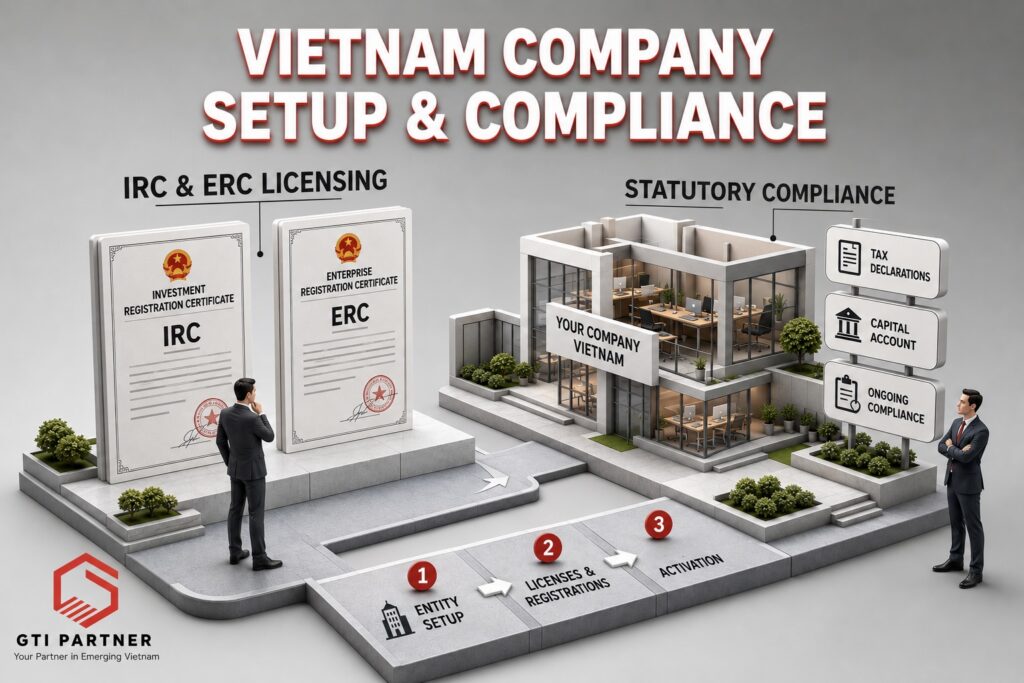
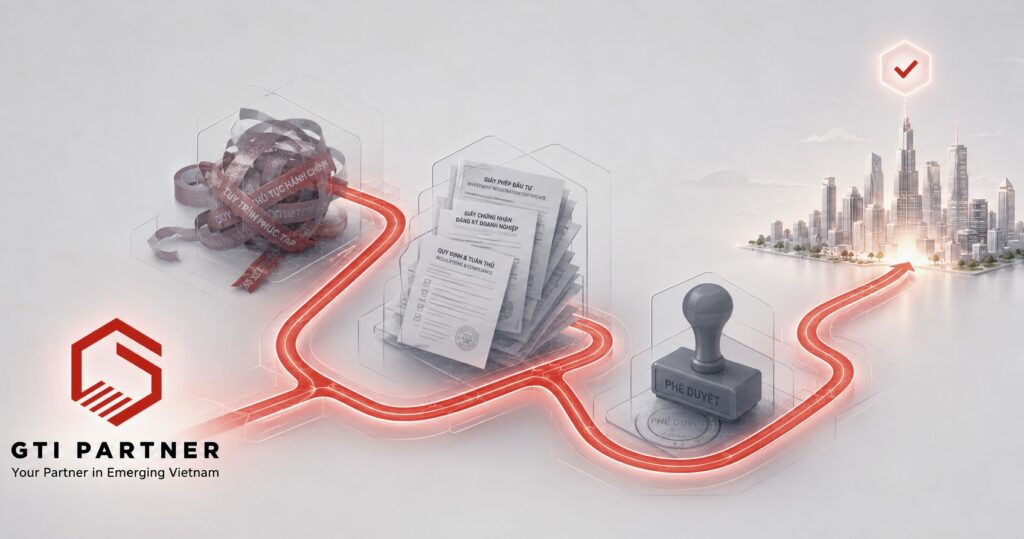
A frequent mistake is misjudging the time required to secure proper approvals. Depending on your sector, you must obtain an Investment Registration Certificate and an Enterprise Registration Certificate. For a detailed breakdown of this approval pipeline, check our Investment Registration Certificate Guide.
Checking Conditional Business Sectors
Certain industries require specialized sub-licenses before commercial operations can begin. Assuming an open market without checking specific business line restrictions leads to immediate compliance halts.
Vietnam business entry errors: Underestimating Capital Requirements
Foreign investors often inject insufficient initial capital to cover early operational expenses. While local laws may allow flexible capital levels for specific sectors, your registered capital must realistically cover lease agreements, staff salaries, and administrative overhead until the business turns profitable.
4. Overlooking Local Labour and Employment Compliance
Hiring staff in Vietnam involves strict adherence to local labour codes, mandatory social insurance contributions, and formal work permit applications for foreign personnel. Ignoring these regulations during setup triggers penalties and operational friction.
Frequently Asked Questions
What is the most important step to prevent regulatory missteps?
The most critical step is performing thorough regulatory due diligence to confirm your industry classification, licensing requirements, and ideal corporate structure before spending capital.
How long does it take to enter the Vietnamese market safely?
Standard business setup and licensing for unconditional sectors typically takes between six to ten weeks from initial document preparation to final operational readiness.
Related posts
The Vietnam JV Governance Manifesto: Why “Legal Incorporation” Is Not Operational Control
The Vietnam JV Governance Manifesto: Why “Legal Incorporation” Is Not Operational Control Many foreign SMEs
3 Hidden Vietnam Market Entry Bottlenecks (Fix Your Strategy)
3 Hidden Vietnam Market Entry Bottlenecks (Fix Your Strategy) Many foreign SMEs view Vietnam through