
Vietnam Business Licensing: SME Compliance Guide
01/06/2026
Vietnam Business Licensing: SME Compliance Guide
Vietnam continues to be a premier destination for international investment, but the journey often begins with complex administrative hurdles. For foreign SMEs, mastering the Vietnam business licensing landscape is the first step toward a successful and sustainable commercial launch in 2026.
Understanding Vietnam Business Licensing Frameworks
Entering the Vietnamese market requires a clear understanding of the two foundational documents. First, the Investment Registration Certificate (IRC) acts as the primary document authorizing your project. Second, the Business Registration Certificate (BRC) grants your entity its legal status to conduct operations. Securing these accurately is critical for operational legitimacy and long-term tax compliance.
Common Vietnam Business Licensing Bottlenecks
Foreign entities frequently encounter delays due to provincial-level variations in legal interpretation. Key bottlenecks include:
- Sub-license Requirements: Certain sectors require specialized permits beyond the BRC.
- Labor Reporting: Strict deadlines for foreign employee work permits and local hiring registrations.
- Operational Timelines: Inconsistent documentation requirements that can stall market entry if not prepared with localized expertise.
How to Streamline Licensing Procedures
The complexity of these procedures underscores the value of having an active on-the-ground advisor. By working with experts who understand the local regulatory environment, you can avoid common pitfalls outlined in our guide on 5 Key Expansion Mistakes to Avoid. For broader global standards on trade and regulatory transparency, you may also reference the World Trade Organization (WTO) guidelines on trade facilitation.
GTI Partner’s Administrative Support
At GTI Partner, we provide comprehensive support to fast-track your permits and ensure full administrative compliance. From initial feasibility screening to the procurement of your final operational licenses, we ensure your business remains focused on growth rather than paperwork. Our team acts as your bridge to local government agencies, ensuring your path to entry is as smooth as possible.
In 2026, the regulatory environment in Vietnam has seen significant digital transformation. Administrative procedures are increasingly tied to national database integrations, meaning that your initial licensing accuracy is more important than ever. Failure to maintain compliant status regarding labor registration or sector-specific permits can trigger secondary audits that may delay your operational growth for months. We recommend conducting a bi-annual compliance audit to ensure your business licensing remains aligned with current legal mandates.
Comprehensive Guide Available
This article is part of our definitive 2026 series on Vietnam market entry.

Related posts
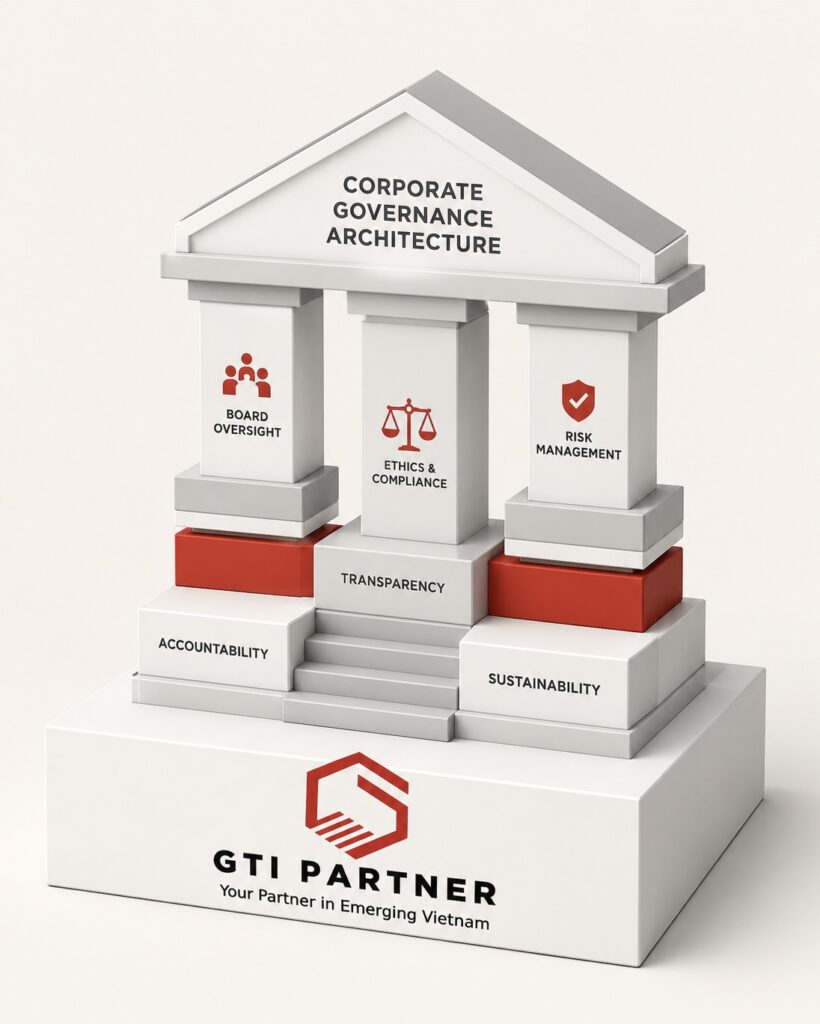
Corporate Governance Vietnam: 2026 Investor Guide
When entering the Vietnamese market, understanding Corporate Governance in Vietnam is the most critical step
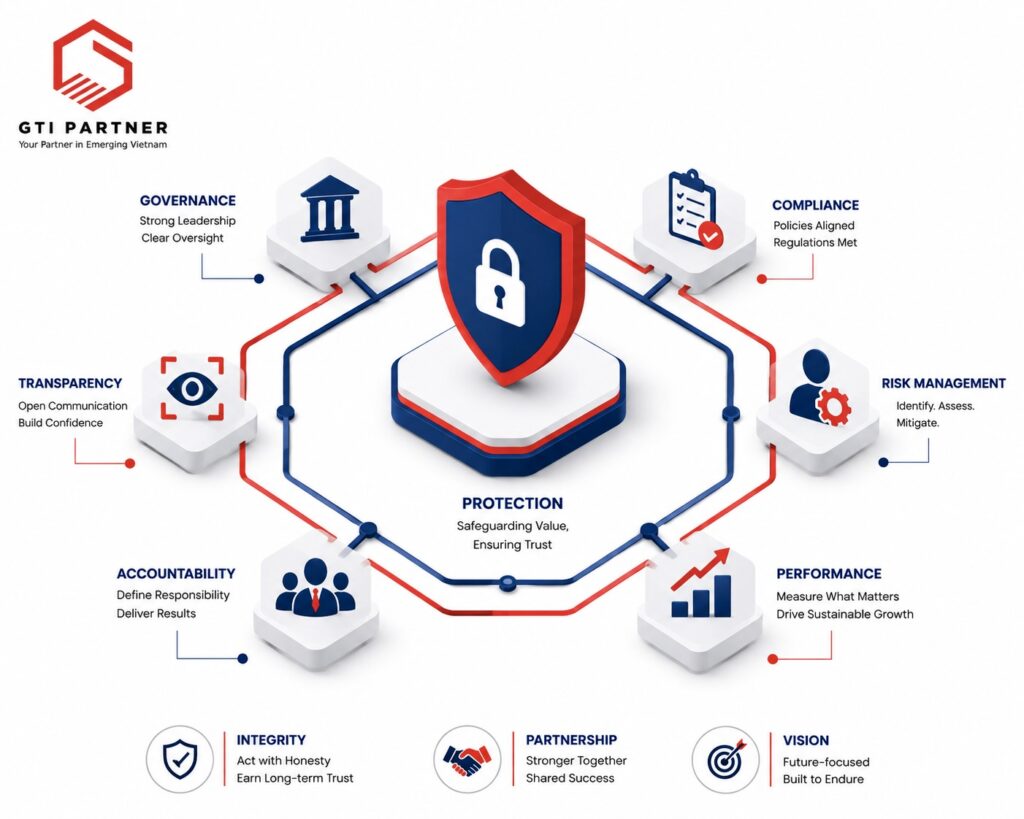
FDI Control Framework: Governance & IP Security in Vietnam
FDI Control Framework: Governance & IP Security in Vietnam For foreign investors in Vietnam, the

Vietnam Market Entry Strategy 2026: The Comprehensive Guide
Vietnam Market Entry Strategy 2026: The Comprehensive Guide Developing a professional Vietnam market entry strategy