
Vietnam–UAE CEPA: What It Means for SME Exporters (2025 Guide)
01/09/2025
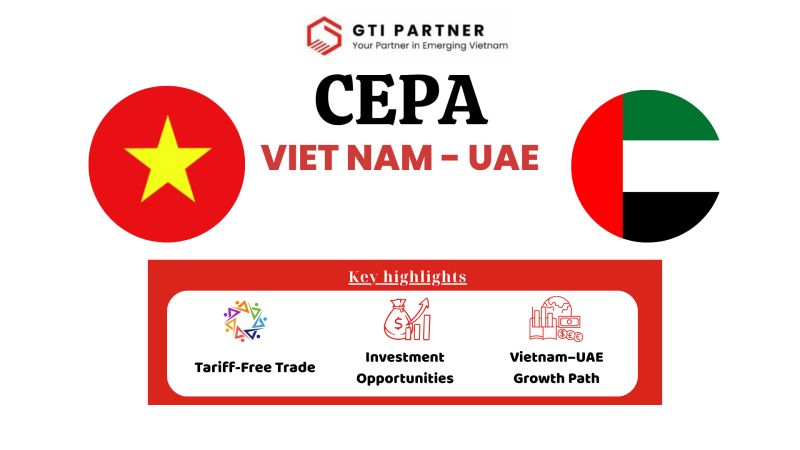
The Vietnam UAE CEPA, signed on October 28, 2024, marks a historic milestone as Vietnam’s first free-trade deal with a Middle Eastern nation. This agreement is set to transform trade corridors between Southeast Asia and the GCC, offering massive opportunities for SMEs aiming to expand their international footprint in 2025.
For businesses analyzing the Vietnam UAE CEPA, the agreement represents more than just a reduction in trade barriers; it is a strategic shift in how SMEs can navigate global markets. With non-oil trade between the two regions reaching US$7.02B in H1 2025—an increase of 16.9% year-over-year—the momentum for cross-border cooperation has never been stronger.
Key Benefits of the Vietnam UAE CEPA
- Aggressive Tariff Cuts: The UAE will phase out duties on 99% of Vietnam’s exports, while Vietnam will remove tariffs on 98.5% of UAE exports.
- Broad Scope: The agreement covers 18 chapters including services, investment, intellectual property, and customs facilitation.
- Strategic Growth: As reported by the World Trade Organization (WTO), regional trade integration is vital for modern SMEs.
High-Growth Sectors for SMEs
With the Vietnam UAE CEPA now moving through final ratification, SMEs can leverage improved market access in these key sectors:
- Furniture & Hospitality: Benefit from reduced landed pricing and faster customs speed when exporting to GCC hospitality hubs.
- Agri-Food: Expanded shelf space in UAE retail channels via clearer Sanitary and Phytosanitary (SPS) rules.
- Apparel & Electronics: Predictable Rules of Origin (ROO) to scale through regional distributors more efficiently.
Action Checklist for Market Entry
- Pick Your Gateway: Utilize major hubs like Dubai/JAFZA or KIZAD to stage products.
- Validate ROO: Map manufacturing inputs against Vietnam UAE CEPA rules to ensure tariff eligibility.
- Compliance: Pre-clear halal and testing requirements for regulated goods.
- Pricing Strategy: Account for staged tariff reductions to maximize margins over the next 12–24 months.
For further reading on navigating these changes, review our Vietnam Market Entry Checklist to ensure your operations are fully compliant.
Related posts

Vietnam IT Outsourcing: How AI is Transforming the Industry
Vietnam IT Outsourcing: How AI is Transforming the Industry The landscape of Vietnam IT outsourcing

Vietnam Industrial Parks 2026: The Strategic FDI Playbook
Insights from the IMC 2026 keynote panel on navigating site selection, technical commissioning, and ESG
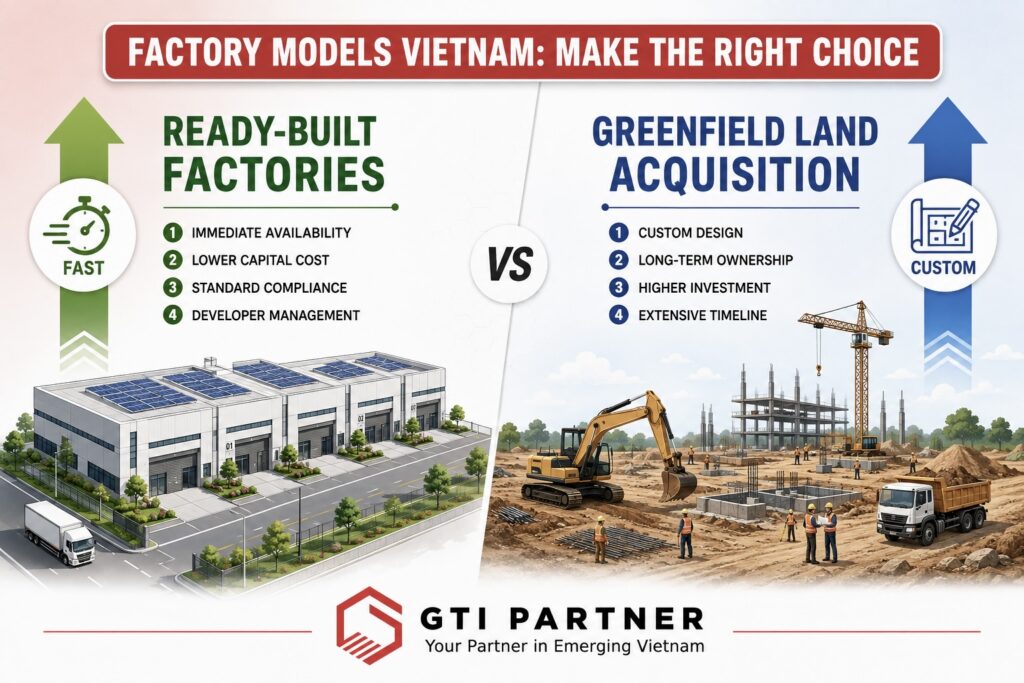
Ready-built factories vs greenfield land acquisition: Choosing the right model in Vietnam
Ready-built factories vs greenfield land acquisition: Choosing the right model in Vietnam When expanding manufacturing

Vietnam’s next generation of industrial parks: What foreign investors need beyond land and infrastructure
Vietnam’s next generation of industrial parks: What foreign investors need beyond land and infrastructure When
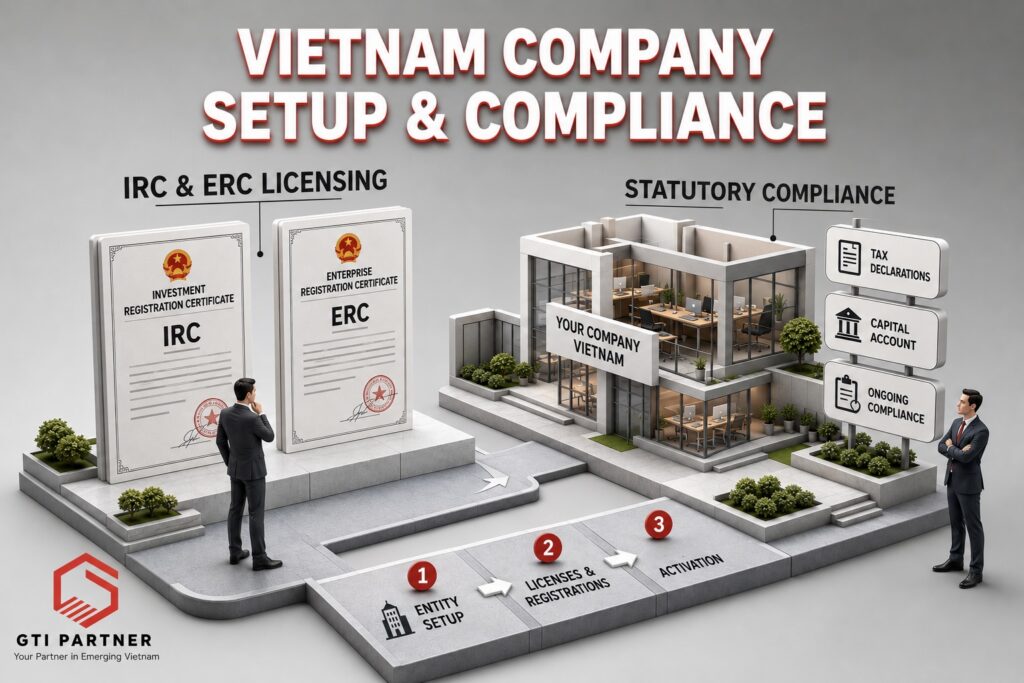
Company registration in Vietnam under the 2026 investment law
Company registration in vietnam under the 2026 investment law Starting a business in Southeast Asia