
Vietnam’s Manufacturing Talent Shift: How Workforce Upskilling Is Powering the Next Phase of Industrial Growth
11/11/2025
Vietnam’s Manufacturing Talent Shift: How Workforce Upskilling Is Powering the Next Phase of Industrial Growth
Over the past decade, Vietnam has rapidly evolved from a low-cost manufacturing destination to a rising industrial powerhouse. While competitive labor costs and strategic geographic positioning have played a significant role in attracting foreign investment, the next phase of Vietnam’s growth will not be defined by cost advantages alone. Instead, it will depend on the country’s ability to develop a highly skilled, adaptable workforce capable of supporting advanced manufacturing, digital transformation, and value-added production.
From Labor-Intensive to Skill-Driven Manufacturing
Historically, Vietnam’s industrial growth was anchored to labor-intensive segments such as garments, footwear, and basic assembly. However, as global supply chains restructure-and multinational corporations diversify production away from China-Vietnam is moving deliberately into electronics, automotive components, semiconductors, renewable technologies, and smart manufacturing.
These sectors require talent that is not only technically trained but also capable of operating precision machinery, managing automated systems, analyzing data, and maintaining global-standard production quality.
Vietnam is responding! The government has prioritized workforce modernization through technical universities, vocational training upgrades, and public–private training partnerships with foreign manufacturers. The goal is clear: move from “assembly-based” productivity to skill-based value creation.
Foreign Investors Are Driving a New Talent Landscape
FDI-driven companies, particularly from Japan, South Korea, the U.S., and Europe, are increasingly partnering with universities and industry training centers to prepare workers for high-spec production environments.
For example:
-
Semiconductor supply chain companies have introduced cleanroom handling certifications.
-
Automotive component manufacturers provide robotic arm and CNC programming training.
-
Electronics multinationals offer lean manufacturing and Six Sigma development programs.
These investments are raising Vietnam’s workforce capabilities and helping to close skill gaps more quickly than in previous industrial development cycles.
The Challenge: Demand Is Rising Faster Than Supply
However, demand for skilled technicians and mid-level management talent is accelerating faster than Vietnamese technical institutions can produce them. The most critical shortages appear in:
-
Production line leaders
-
Maintenance and process engineers
-
Quality and compliance supervisors
-
Technical sales and international account managers
These are roles that require both technical competency and communication skills-especially English or the language of global suppliers.
Companies that succeed in Vietnam typically invest early in front-line leadership training, on-the-job mentorship, and structured career progression.
The Opportunity for SMEs and Local Suppliers
Vietnam’s supplier ecosystem is still developing. Many small-and medium-sized manufacturers are now being pulled into global supply chains and upgrading rapidly. The winners in this next phase will be SMEs that:
-
Implement standardized training and certification
-
Adopt lean production practices
-
Understand and align with international client requirements
-
Develop English-capable operational staff
This shift is elevating Vietnam from an assembly-centered economy into one that is actively shaping, improving, and innovating production processes.
Talent Is the Next Competitive Advantage
Vietnam has already established itself as a strategic manufacturing base. The question now is not whether companies should enter Vietnam-but whether they are prepared to invest in skills development to ensure long-term operational success.
Those who recognize that talent is now the core of Vietnam’s competitive advantage will be best positioned to scale sustainably and outperform competitors in the decade ahead!
At GTI Partner, we support international companies in navigating Vietnam’s workforce dynamics, supplier capability assessments, government incentives, and market entry strategies. If you are exploring sourcing, manufacturing setup, or industrial expansion in Vietnam, speak with us today!
Consult Our Vietnam Market Experts
Related posts

Vietnam’s Digital Infrastructure Boom: Opportunities in Data Centers, Cloud, and Telecom for Foreign Investors
Vietnam’s Digital Infrastructure Boom: Opportunities in Data Centers, Cloud, and Telecom for Foreign Investors Vietnam
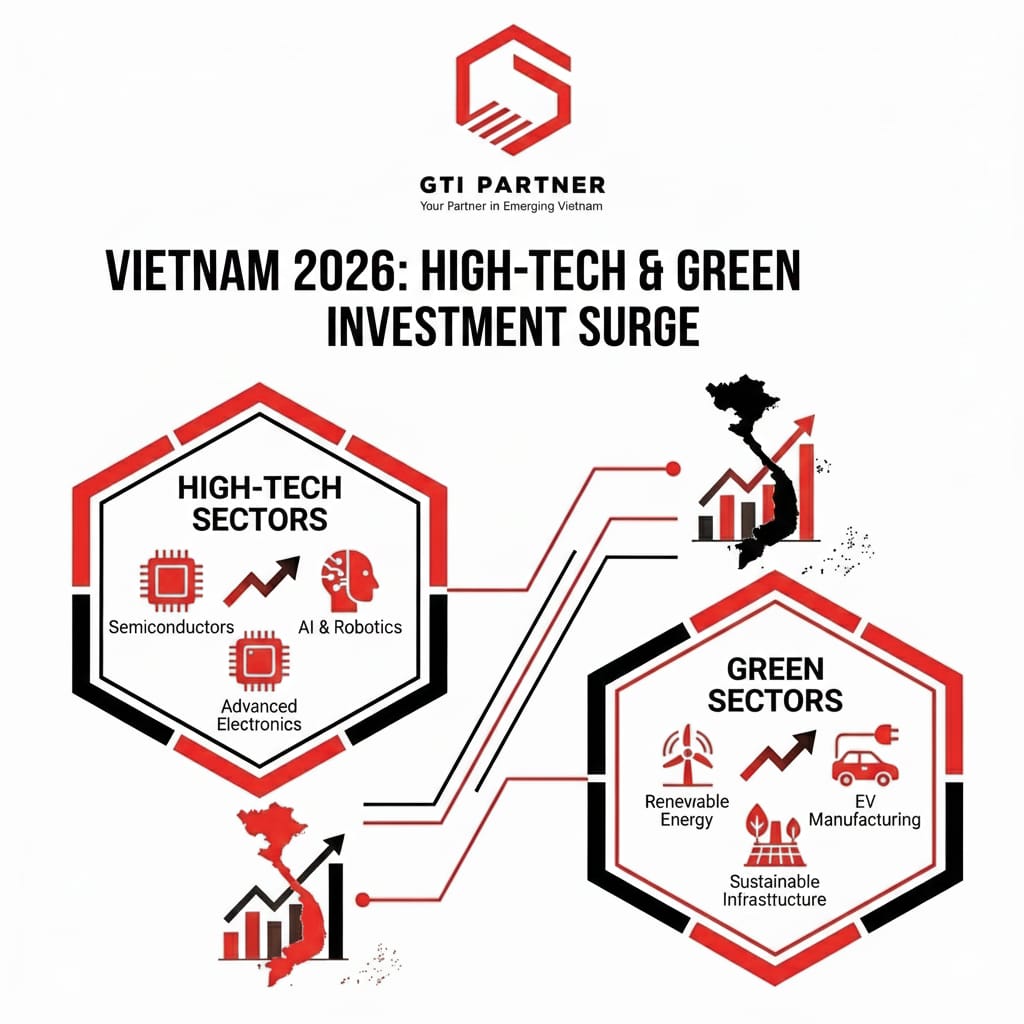
Vietnam’s 2026 FDI Outlook: High-Tech and Green Growth
Vietnam’s 2026 FDI Outlook: High-Tech and Green Growth Vietnam is entering 2026 with strong momentum
🇻🇳 Vietnam’s 8% VAT Policy Extension: What It Means for SMEs and Investors in 2025–2026
🇻🇳 Vietnam’s 8% VAT Policy Extension: What It Means for SMEs and Investors in 2025–2026
Why Vietnam Is Becoming the Preferred Manufacturing Alternative to China in 2025
Why Vietnam Is Becoming the Preferred Manufacturing Alternative to China in 2025 Global supply chains
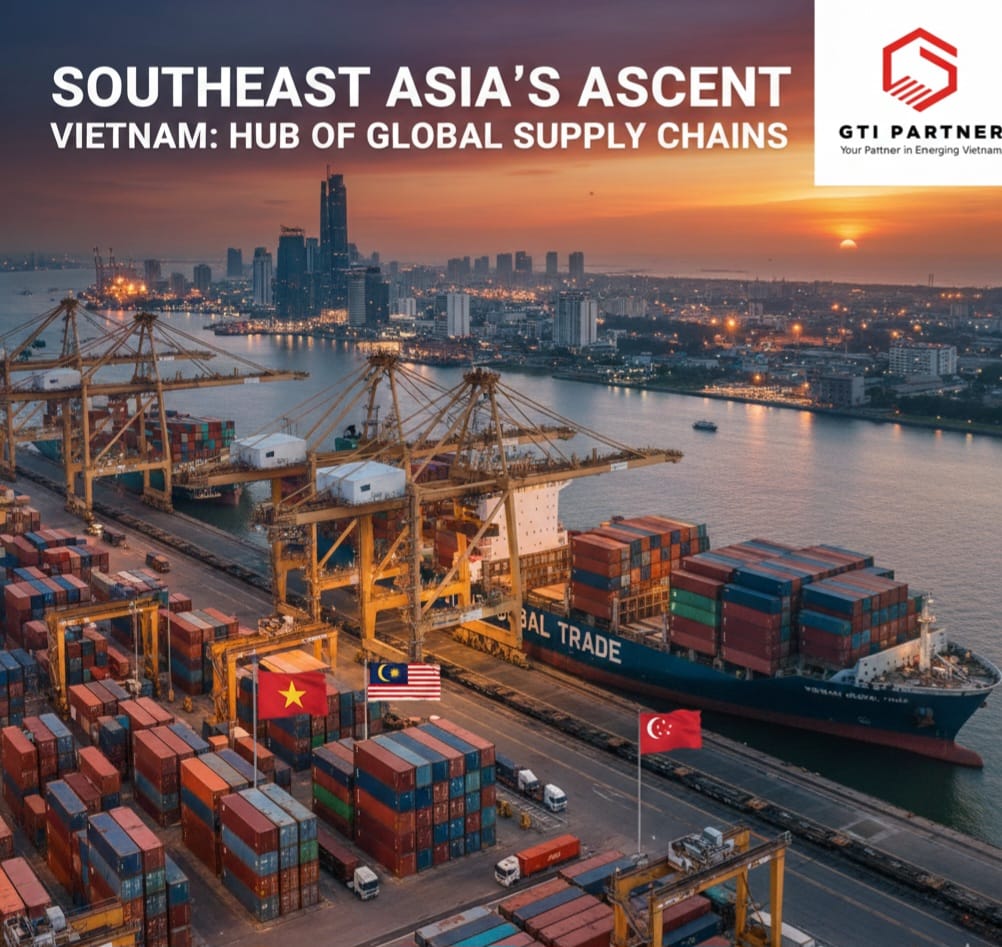
Southeast Asia’s Ascent: Vietnam at the Forefront of the Next Global Supply Chain Hub
Southeast Asia’s Ascent: Vietnam at the Forefront of the Next Global Supply Chain Hub The