
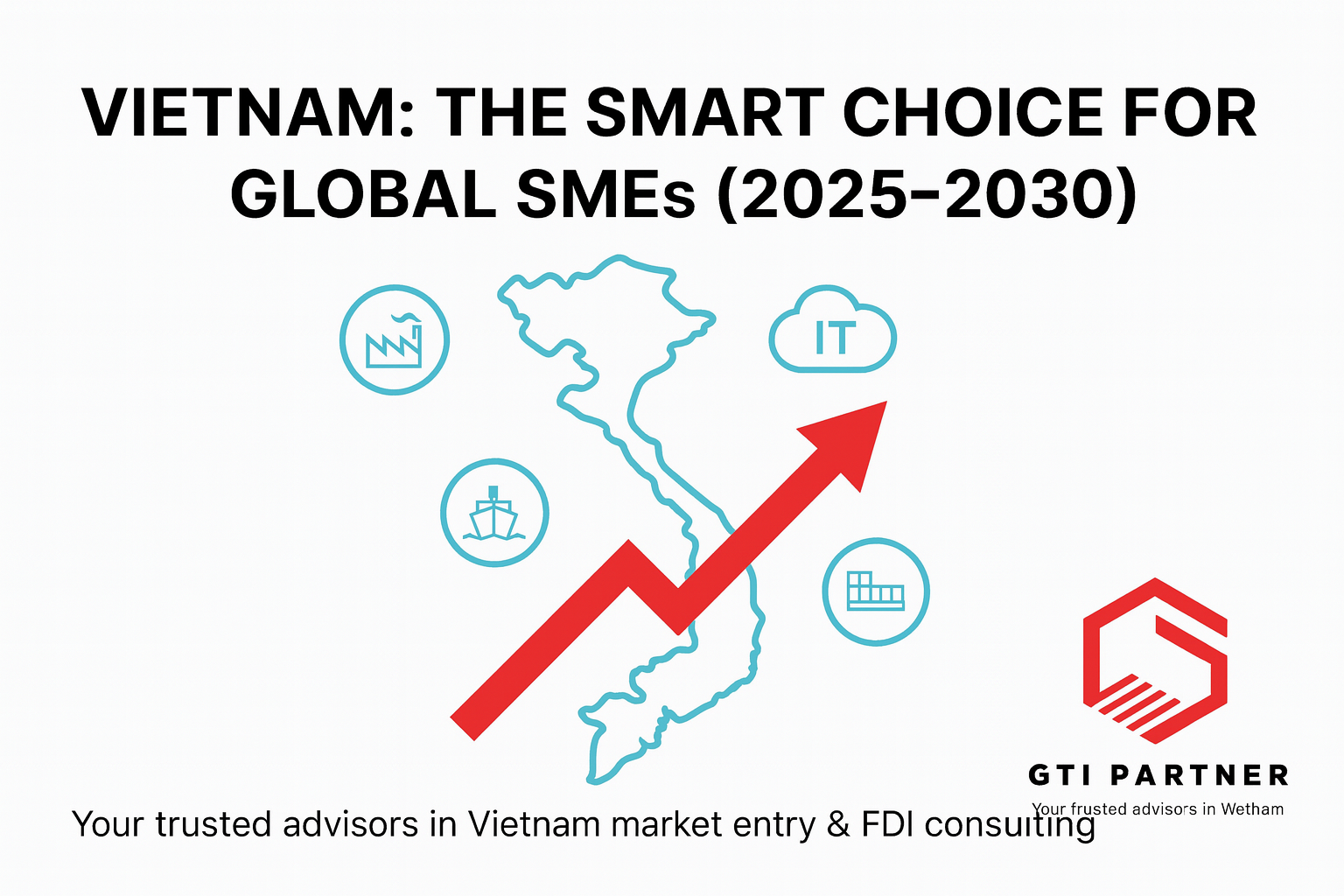
Vietnam: The Smart Choice for Global SMEs Entering Asia in 2025–2030
13/09/2025
Vietnam is no longer an emerging story — it is Asia’s growth engine. For global SMEs looking to expand, diversify supply chains, or establish a foothold in Asia, Vietnam offers a strategic gateway into ASEAN and beyond.
🌏 Why Vietnam is Attracting Global SMEs
- Sustained Growth: Vietnam’s GDP has remained among the fastest-growing in Asia, driven by manufacturing, technology, and services.
- Global Trade Access: With over 17+ free trade agreements — including the Vietnam–UAE CEPA (2024) and RCEP — SMEs gain tariff-free access to markets across Asia, the Middle East, and Europe.
- Strategic Location: Bordering China, yet offering lower costs, Vietnam is a prime hub for supply chain diversification.
- Skilled Workforce: Young, educated, and increasingly bilingual talent supports industries from IT outsourcing to advanced manufacturing.
📊 Who Should Consider Vietnam Right Now?
Global SMEs that will benefit most in 2025–2030 include:
- North America & Europe: Firms pursuing China-plus-one diversification for contract manufacturing, components, assembly, and IT outsourcing.
- Japan & Korea: Companies deepening supplier networks and co-manufacturing in Vietnam, including JVs and quality/engineering upgrades.
- Australia & Singapore: Regional challengers using Vietnam as an ASEAN hub for tech partnerships, agri-food value chains, logistics, and renewables.
- Middle East (UAE, KSA, Qatar): Trading houses and distributors leveraging Vietnam for re-export to MENA—furniture, building materials, FMCG—supported by recent trade agreements (e.g., Vietnam–UAE CEPA).
🎯 Market Entry Opportunities for SMEs
- Manufacturing & Supply Chains: Move beyond China with Vietnam’s reliable, cost-competitive production base.
- Technology Outsourcing: Vietnam is a rising IT outsourcing hub, already serving clients in Japan, Korea, and the U.S.
- Real Estate & Infrastructure: Demand for industrial parks, logistics, and commercial properties continues to grow.
- Green & Sustainable Products: SMEs in eco-friendly sectors (renewables, green packaging, sustainable furniture) will benefit from Vietnam’s shift toward sustainable growth.
✅ How GTI Partner Helps SMEs Succeed
At GTI Partner, we provide end-to-end market entry solutions:
-
Market research & feasibility studies
-
Company setup, tax & compliance advisory
-
Sales outsourcing & local representation
-
Strategic partnerships with distributors & investors
Whether you are in the U.S. exploring new markets, or a Japanese SME seeking long-term presence, GTI Partner ensures your entry into Vietnam is strategic, efficient, and profitable.
Key Takeaway
Vietnam is no longer just an option — it is the strategic choice for global SMEs in the 2025–2030 decade. With the right local partner, businesses can unlock growth, resilience, and competitive advantage in one of Asia’s most dynamic economies.
👉 Contact GTI Partner today to explore how your business can enter and grow in Vietnam.
Related posts
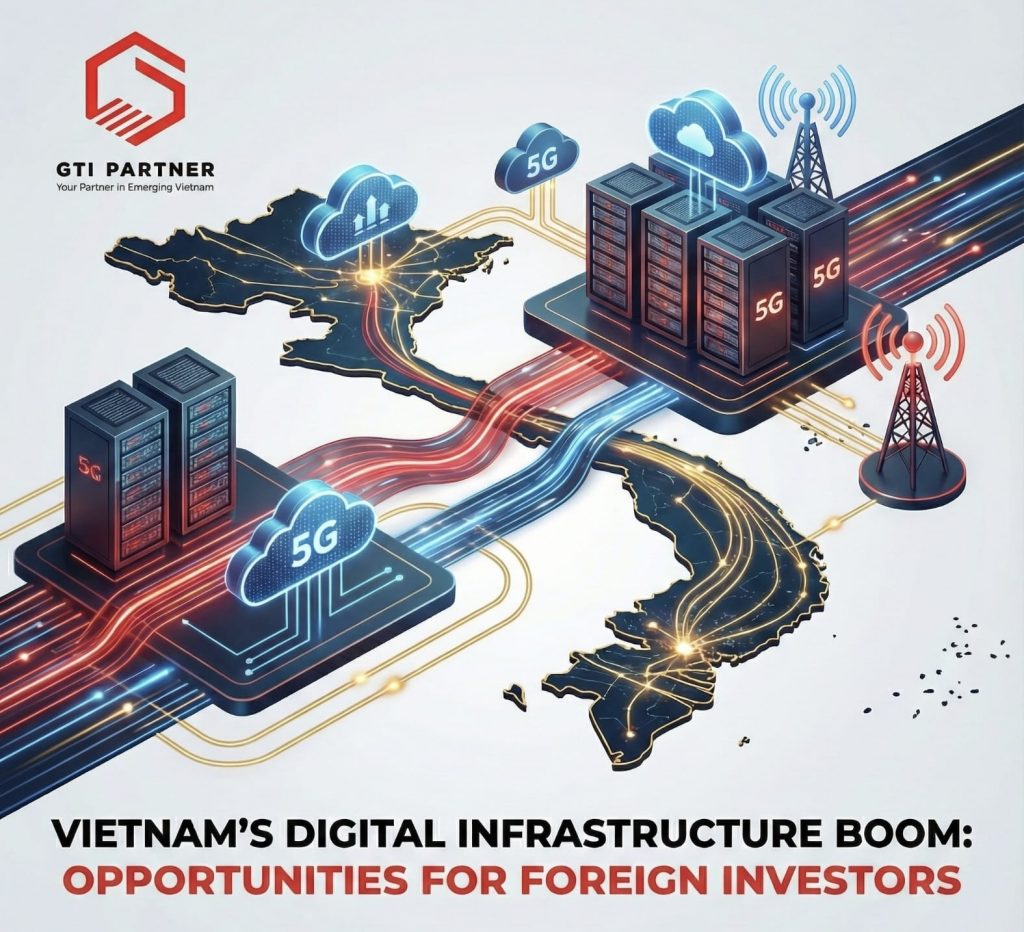
Vietnam’s Digital Infrastructure Boom: Opportunities in Data Centers, Cloud, and Telecom for Foreign Investors
Vietnam’s Digital Infrastructure Boom: Opportunities in Data Centers, Cloud, and Telecom for Foreign Investors Vietnam
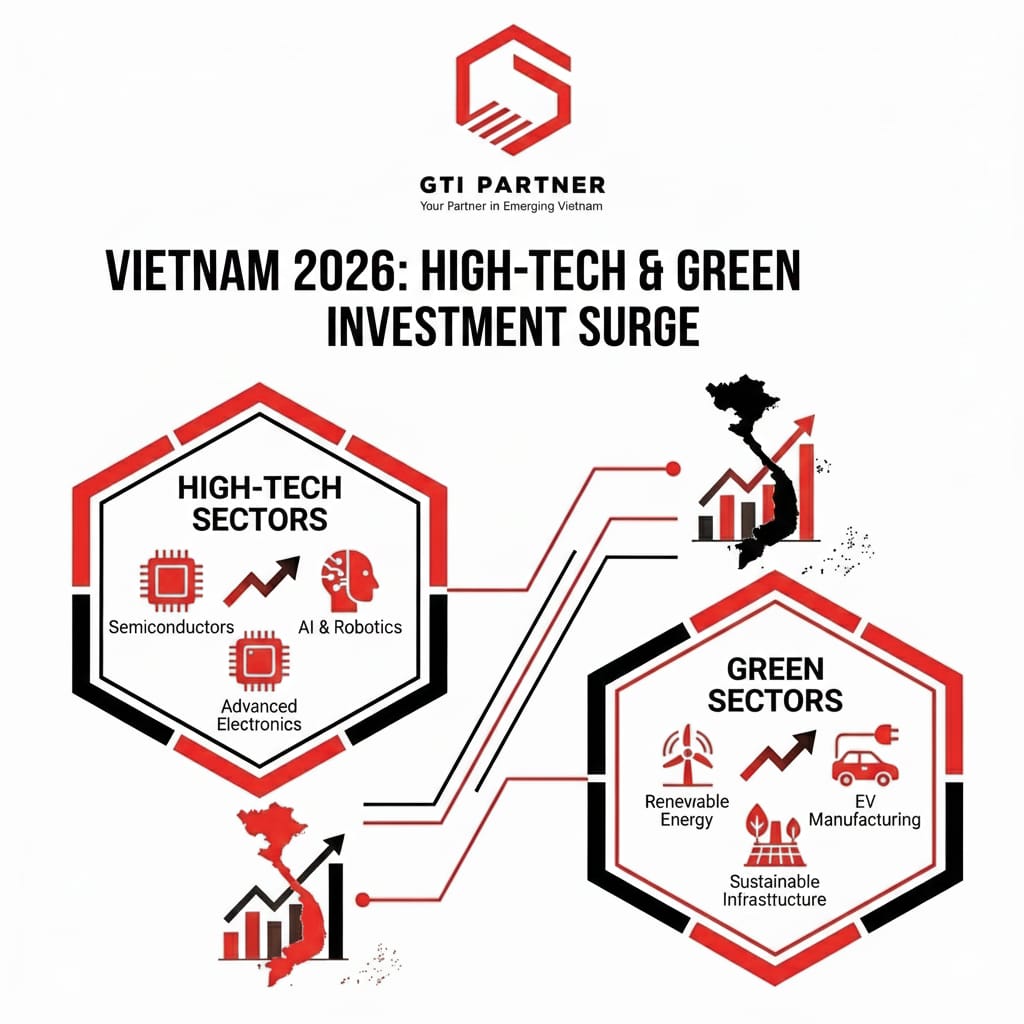
Vietnam’s 2026 FDI Outlook: High-Tech and Green Growth
Vietnam’s 2026 FDI Outlook: High-Tech and Green Growth Vietnam is entering 2026 with strong momentum
🇻🇳 Vietnam’s 8% VAT Policy Extension: What It Means for SMEs and Investors in 2025–2026
🇻🇳 Vietnam’s 8% VAT Policy Extension: What It Means for SMEs and Investors in 2025–2026
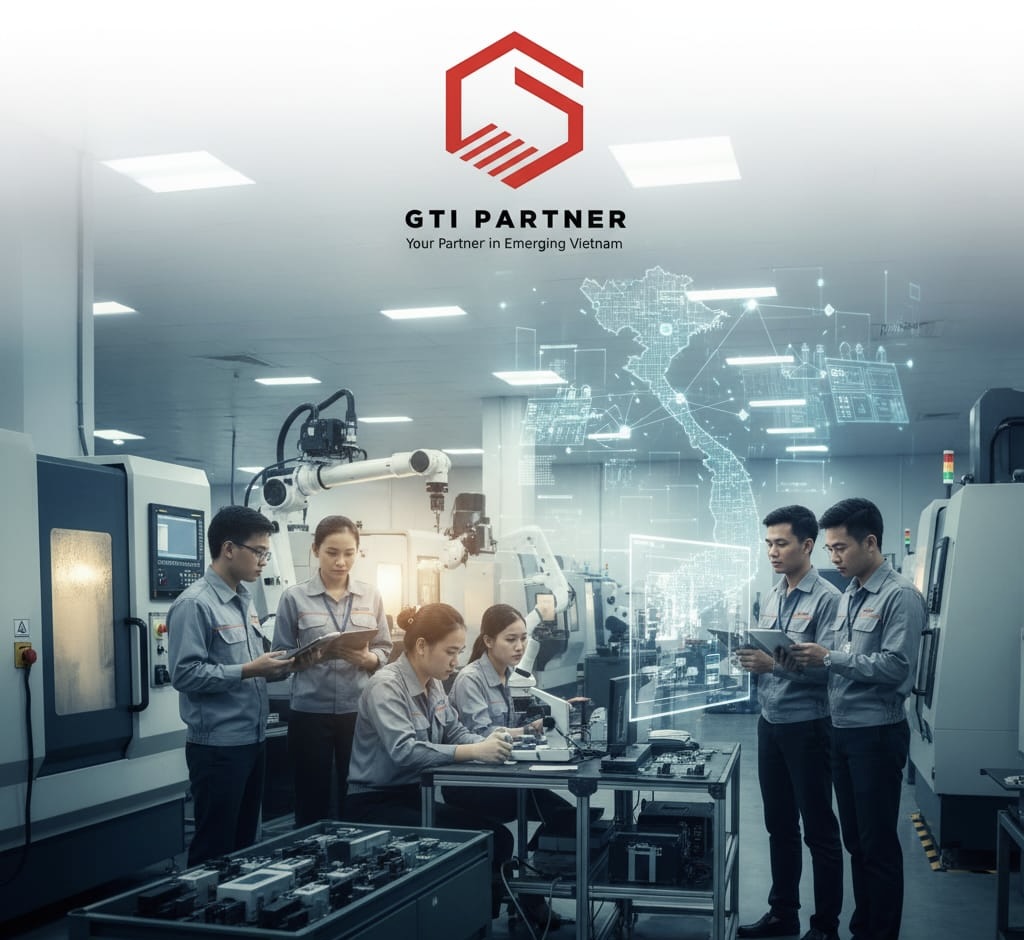
Vietnam’s Manufacturing Talent Shift: How Workforce Upskilling Is Powering the Next Phase of Industrial Growth
Vietnam’s Manufacturing Talent Shift: How Workforce Upskilling Is Powering the Next Phase of Industrial Growth
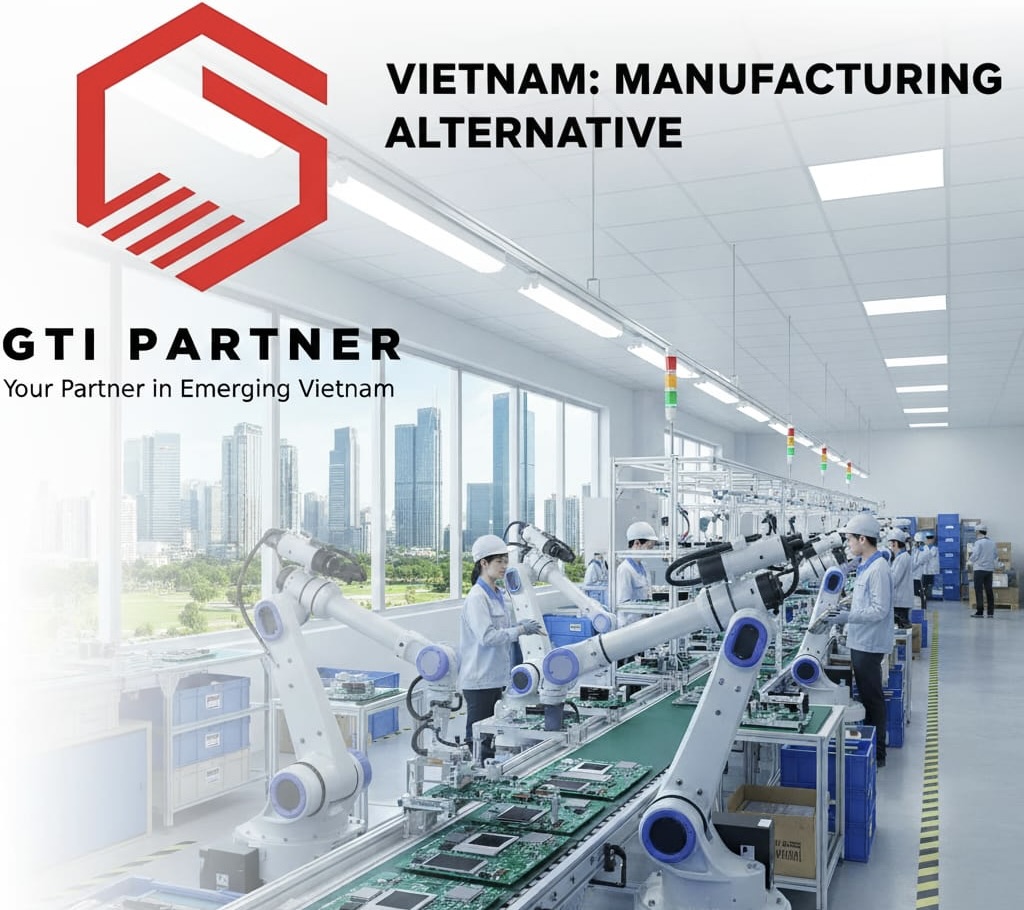
Why Vietnam Is Becoming the Preferred Manufacturing Alternative to China in 2025
Why Vietnam Is Becoming the Preferred Manufacturing Alternative to China in 2025 Global supply chains