
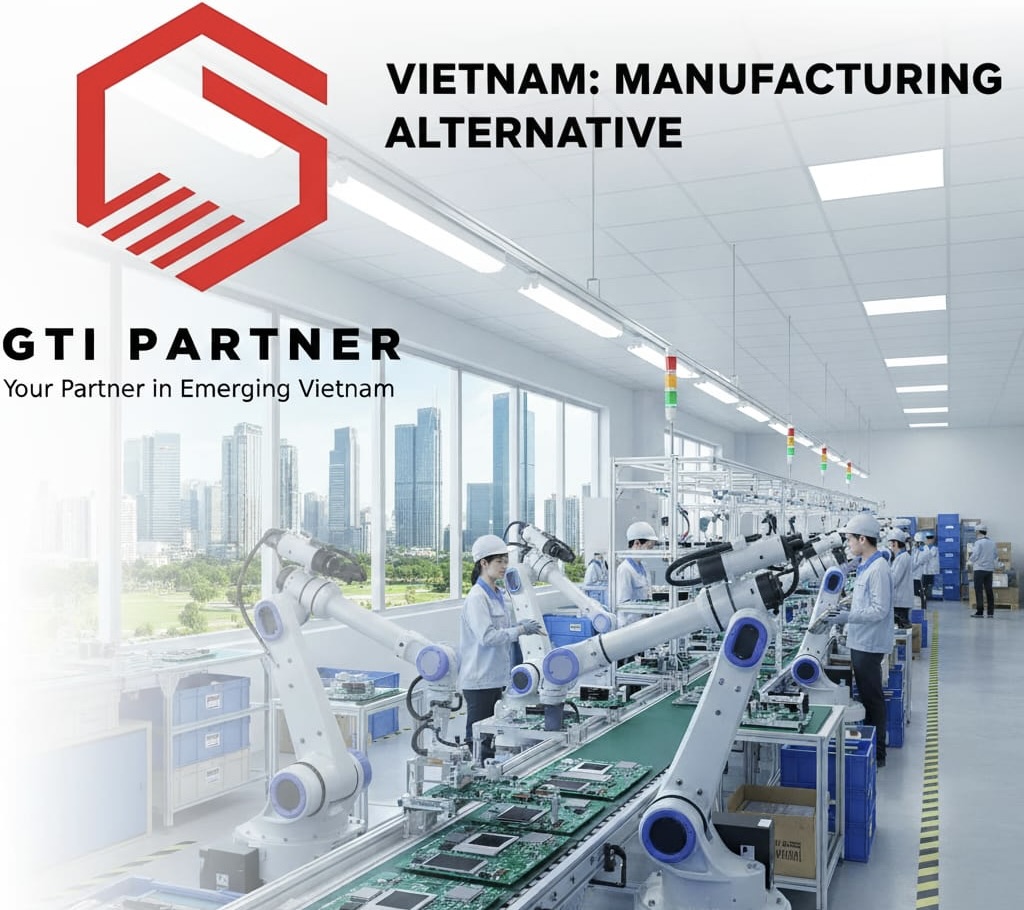
Why Vietnam Is Becoming the Preferred Manufacturing Alternative to China in 2025
07/11/2025
Why Vietnam Is Becoming the Preferred Manufacturing Alternative to China in 2025
Global supply chains are undergoing a fundamental transformation. Over the past decade, rising costs, geopolitical tensions, and the need for greater resilience have encouraged companies to rethink their sourcing and production strategies. The China+1 strategy — once considered a diversification option — has now become a core strategic priority for multinational manufacturers.
Among the countries emerging as leading beneficiaries of this shift, Vietnam has taken center stage. With its strategic geographic position, competitive labor advantages, strong trade agreements, and expanding industrial infrastructure, Vietnam is increasingly viewed as the most promising alternative manufacturing hub to China in 2025 and beyond.
Vietnam’s Strategic Advantages
1. Competitive Labor Cost and Talent Development
Vietnam offers lower labor costs compared to coastal manufacturing hubs in China, while also investing significantly in technical and vocational skill development. This balance of cost efficiency and workforce quality has drawn major players in electronics, textiles, and consumer goods.
2. Strategic Location in Asia’s Trade Network
Situated along key maritime corridors and close to major consumer markets, Vietnam provides companies with efficient access to supply chain networks across Asia, Europe, and North America. Proximity to China also ensures continuity for companies transitioning production in stages.
3. Strong Commitment to Global Trade Integration
Vietnam has signed some of the world’s most comprehensive trade agreements, including:
-
CPTPP
-
EVFTA
-
RCEP
These agreements significantly reduce tariffs, support lower trade barriers, and enhance export competitiveness, making Vietnam a strategic entry point to global markets.
4. Rapid Growth of Industrial and Logistics Infrastructure
Vietnam is expanding its:
-
Industrial zones and economic clusters
-
Deep-water ports and cargo terminals
-
Warehouse and cold chain systems
-
Cross-border supply and logistics solutions
This ongoing infrastructure development signals long-term commitment to becoming a global manufacturing and logistics hub.
Industries Thriving in Vietnam
Vietnam is no longer only producing low-value goods. The country is increasingly engaged in value-added manufacturing across multiple sectors:
| Sector | Growth Drivers |
|---|---|
| Electronics & Semiconductors | Investment from global tech firms and supply chain diversification |
| Textiles & Apparel | Moving into design, branding, and sustainable production |
| Furniture & Home Goods | Strong craftsmanship capabilities and export demand |
| Automotive Components | Supplier ecosystem development in northern industrial clusters |
| Consumer Electronics | Expansion of global assembly and component manufacturing |
This evolution reflects not just production capability — but deepening integration into global supply networks.
Challenges to Prepare For
While Vietnam offers strong advantages, effective market entry requires strategic planning. Companies should be aware of:
-
Regional labor cost variations between provinces
-
Supplier network fragmentation in certain sectors
-
Administrative and customs variations
-
The need for localized compliance and HR practices
Successfully navigating these challenges is essential for sustainable operations.
Key Steps for Successful Market Entry
For companies exploring investment or manufacturing moves into Vietnam, the following steps are recommended:
- Conduct market feasibility analysis including cost comparison and supply chain mapping
- Select the right location (industrial zone/province) based on sector and logistics needs
- Develop reliable local supplier networks early in the transition
- Ensure compliance with tax, labor, and licensing frameworks
- Work with an experienced local advisory partner to accelerate setup and minimize risk
- Conclusion
Vietnam’s ascent is not simply about cost — it represents a strategic shift in global manufacturing architecture. The country’s continued investment in infrastructure, talent development, and global trade partnerships is positioning it as a central pillar in the next generation of supply chains.
For companies seeking agility, resilience, and long-term competitive advantage, Vietnam is emerging as one of the most compelling strategic choices of 2025.
Ready to explore your expansion into Vietnam?
Related posts
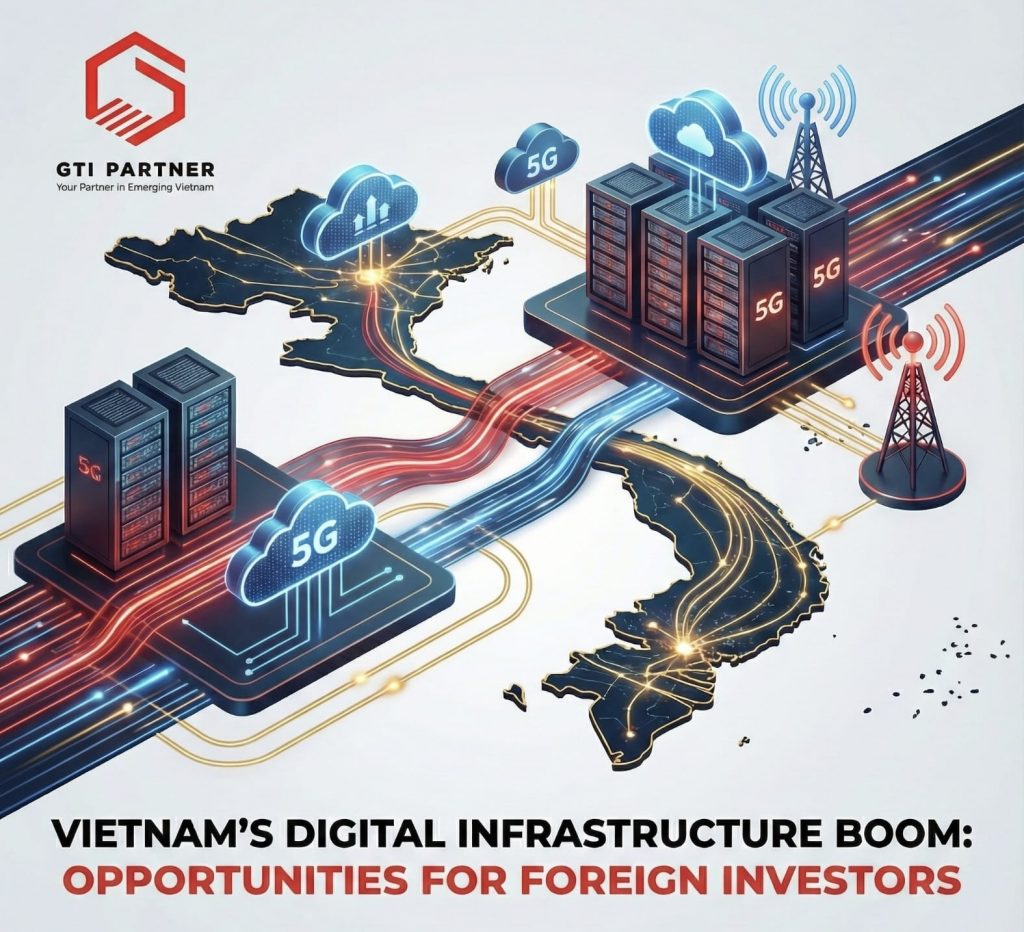
Vietnam’s Digital Infrastructure Boom: Opportunities in Data Centers, Cloud, and Telecom for Foreign Investors
Vietnam’s Digital Infrastructure Boom: Opportunities in Data Centers, Cloud, and Telecom for Foreign Investors Vietnam
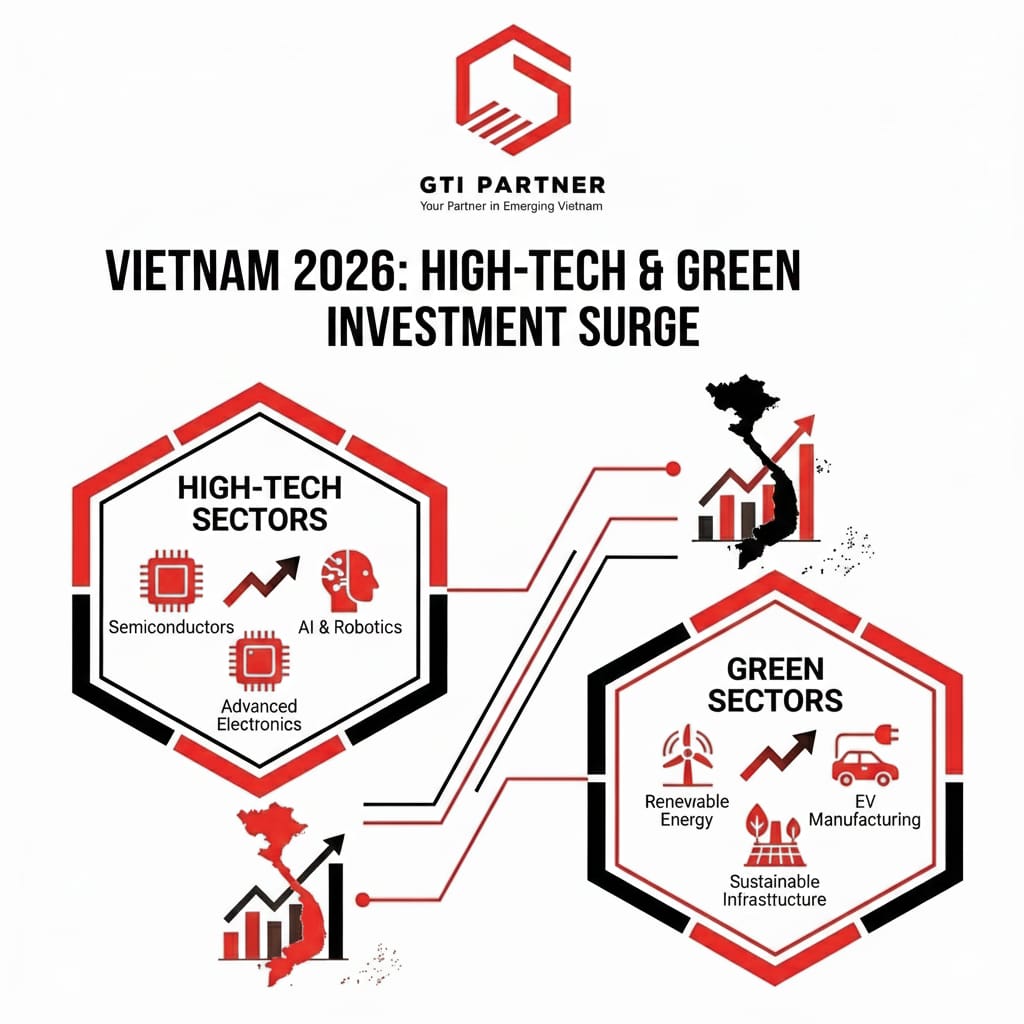
Vietnam’s 2026 FDI Outlook: High-Tech and Green Growth
Vietnam’s 2026 FDI Outlook: High-Tech and Green Growth Vietnam is entering 2026 with strong momentum
🇻🇳 Vietnam’s 8% VAT Policy Extension: What It Means for SMEs and Investors in 2025–2026
🇻🇳 Vietnam’s 8% VAT Policy Extension: What It Means for SMEs and Investors in 2025–2026
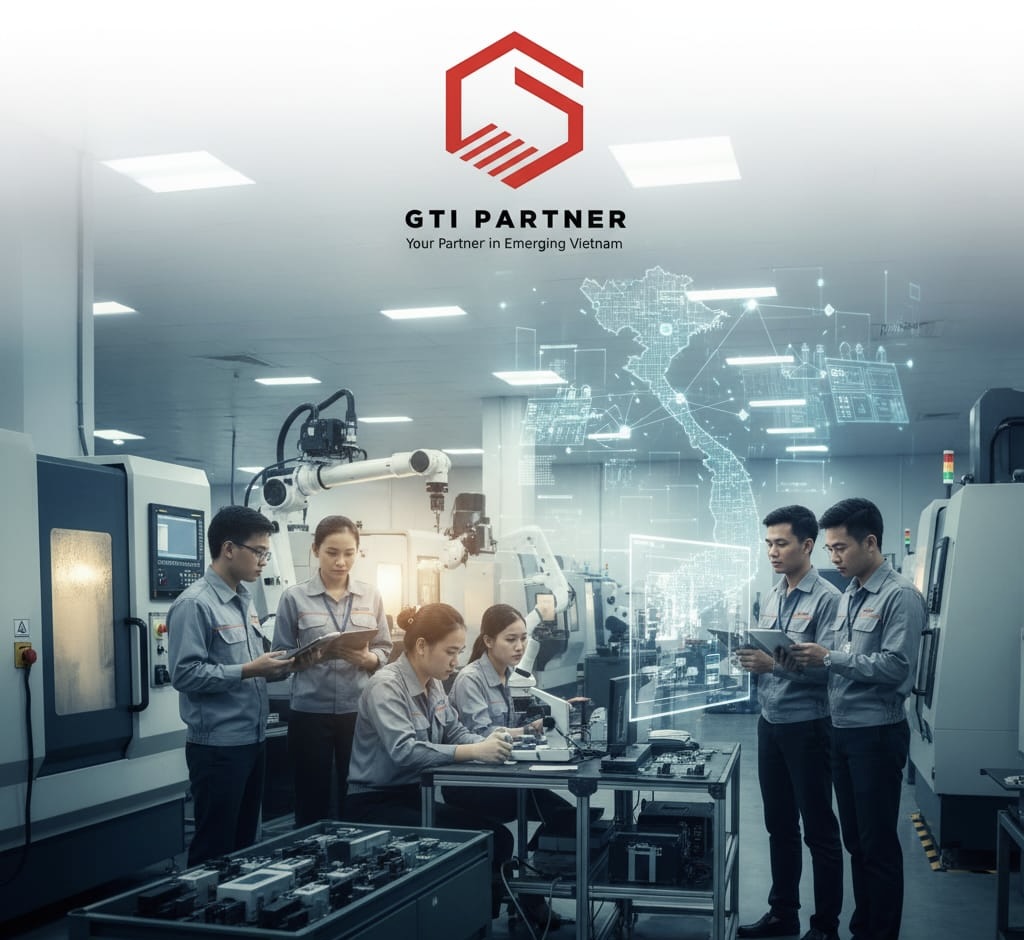
Vietnam’s Manufacturing Talent Shift: How Workforce Upskilling Is Powering the Next Phase of Industrial Growth
Vietnam’s Manufacturing Talent Shift: How Workforce Upskilling Is Powering the Next Phase of Industrial Growth
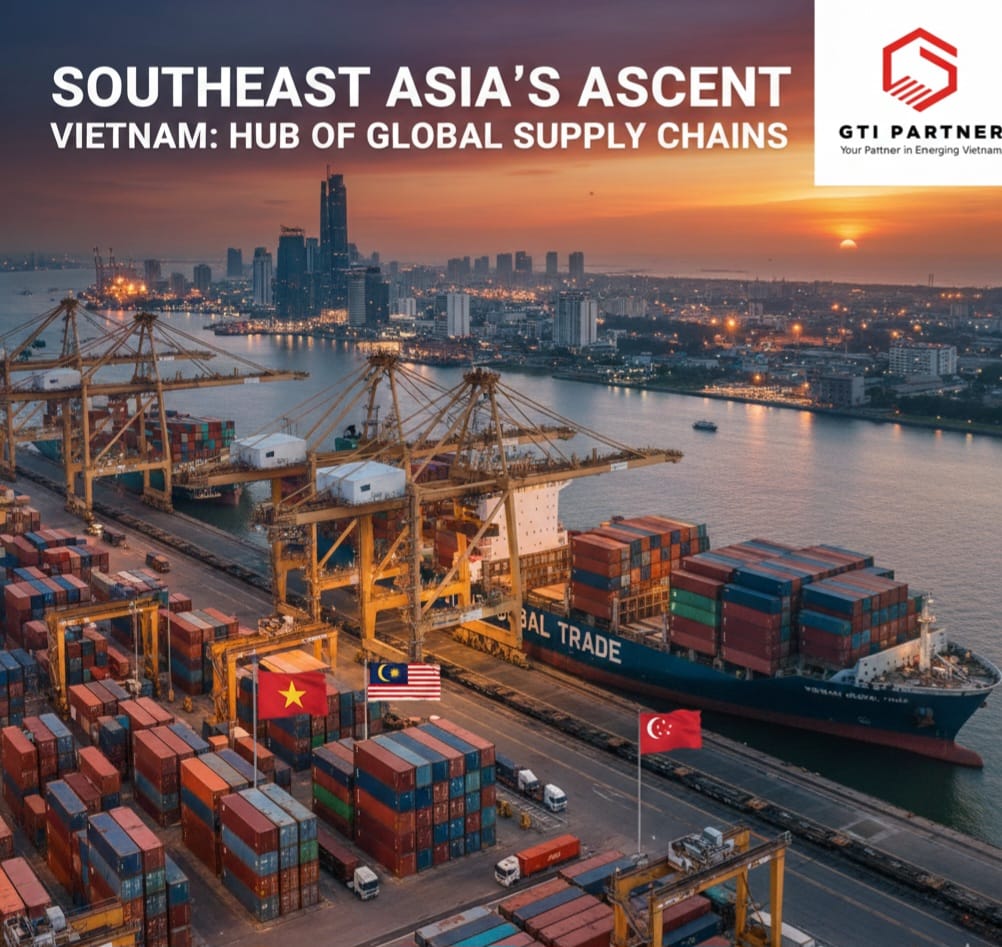
Southeast Asia’s Ascent: Vietnam at the Forefront of the Next Global Supply Chain Hub
Southeast Asia’s Ascent: Vietnam at the Forefront of the Next Global Supply Chain Hub The