
Germany’s Economy Faces Tariffs, Transformation, and Investme
08/08/2025
Key Insights from July 2025 Economic Survey
Germany’s economic trajectory continues to shift amid global uncertainty, investment rebounds, and industry recalibration, according to the latest Economic Development Survey – Week 30/25,– released by the Ifo Institute and Berlin Kommunikation in partnership with the BWA (Federal Association for Economic Development and Foreign Trade).
U.S. Tariffs Already Disrupting German Industry
In a sharp warning from German manufacturers, over 60% of industrial firms surveyed reported negative effects from newly imposed U.S. tariffs. A significant one-third of companies planning to invest in the U.S. have now postponed these plans, and another 15% have cancelled altogether. Even domestically, investment hesitation is growing, with 21% delaying and 8% cancelling projects in Germany.
Export-driven sectors such as mechanical engineering (87% impacted) and metal production (68%) are among the hardest hit. These shifts are pushing companies to consider alternative growth markets, with India and the European Single Market gaining strategic importance.
“Germany is Back”: Historic €631 Billion Investment Pledge
Despite turbulence, optimism surged as Chancellor Friedrich Merz unveiled the “Made for Germany” initiative at a Berlin economic summit, announcing €631 billion in private sector investments over the next three years. The commitment, supported by 61 corporations including Siemens, BMW, SAP, Nvidia, and Blackstone, is aimed at revitalizing Germany’s innovation and industrial competitiveness.
CEOs at the event called for structural reforms to accompany the investment wave, particularly around red tape and digitization. Viessmann CEO Maximilian Viessmann emphasized the opportunity for Germany to lead in climate tech, despite current U.S. retreat from the sector.
National Defense Now Includes Economic Resilience
With rising geopolitical tensions, economic resilience is being framed as a core element of Germany’s national defense. New initiatives—such as the Coordination Center for Total Defense in southern Germany—aim to help companies assess dual-use capabilities and prepare for cyberattacks or supply chain disruption.
Security experts warned that hybrid warfare is already hitting German infrastructure, including rail, healthcare, and digital systems. The report calls for companies to reevaluate suppliers and logistics pipelines in light of growing risks from countries like Russia and China.
Other Key Highlights
– Hospitality Sector Decline: Germany’s hospitality industry saw its sharpest revenue drop since 2021.
– ATM Closures Continue: The number of ATMs in Germany dropped below 50,000.
– Rail Investment Grows—but Still Not Enough: Germany still trails European leaders despite a 74% per capita investment increase in 2024.
📥 Click here to read the full Economic Development Survey – Week 30/25 (PDF)
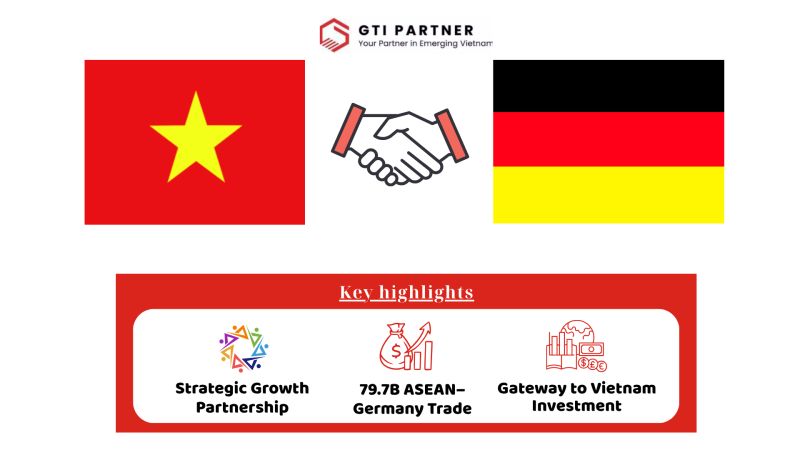
Are you a German or EU company exploring investment opportunities in Vietnam? GTI Partner’s market entry services support European investors in navigating Vietnam’s dynamic market—offering strategic guidance, regulatory compliance, and local expertise to ensure a successful expansion.
Related posts
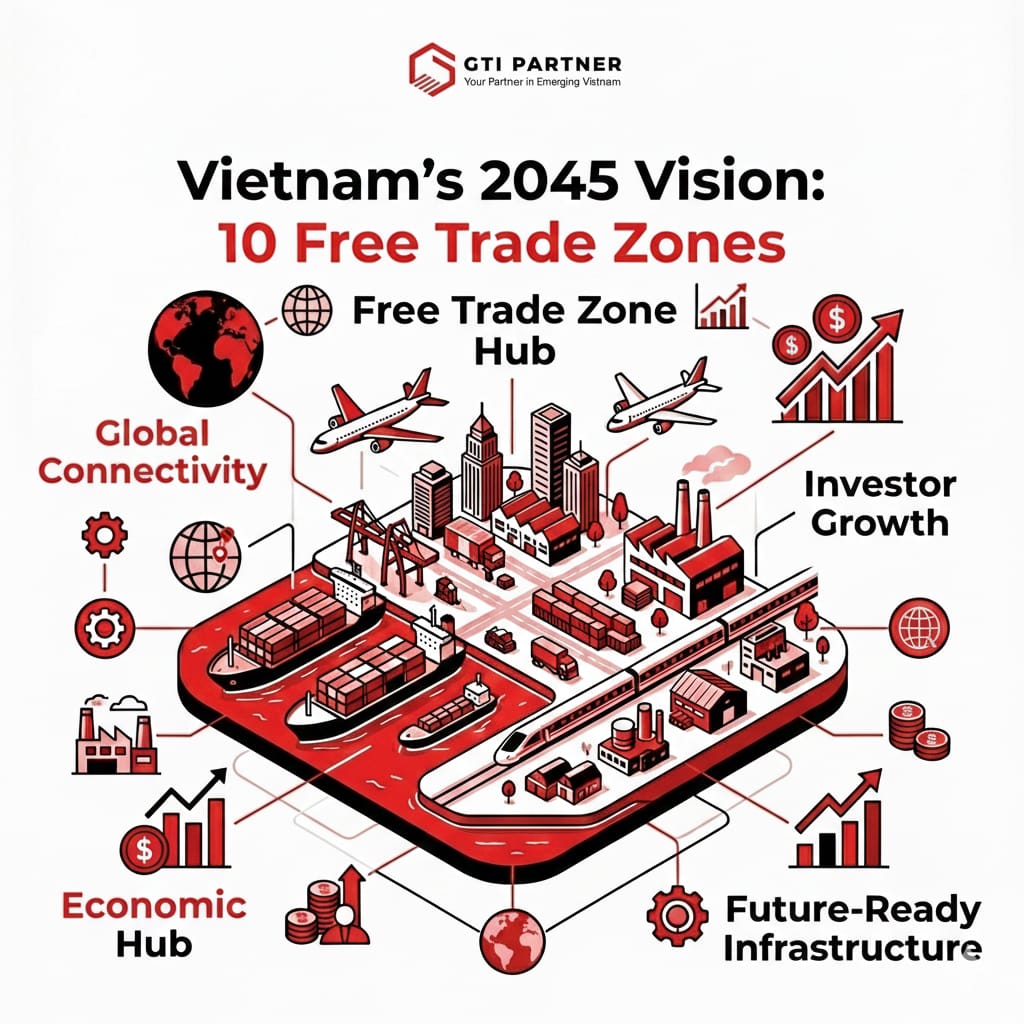
Vietnam Aims for Up to 10 Free Trade Zones by 2045 — What It Means for Investors
Vietnam Aims for Up to 10 Free Trade Zones by 2045 — What It Means
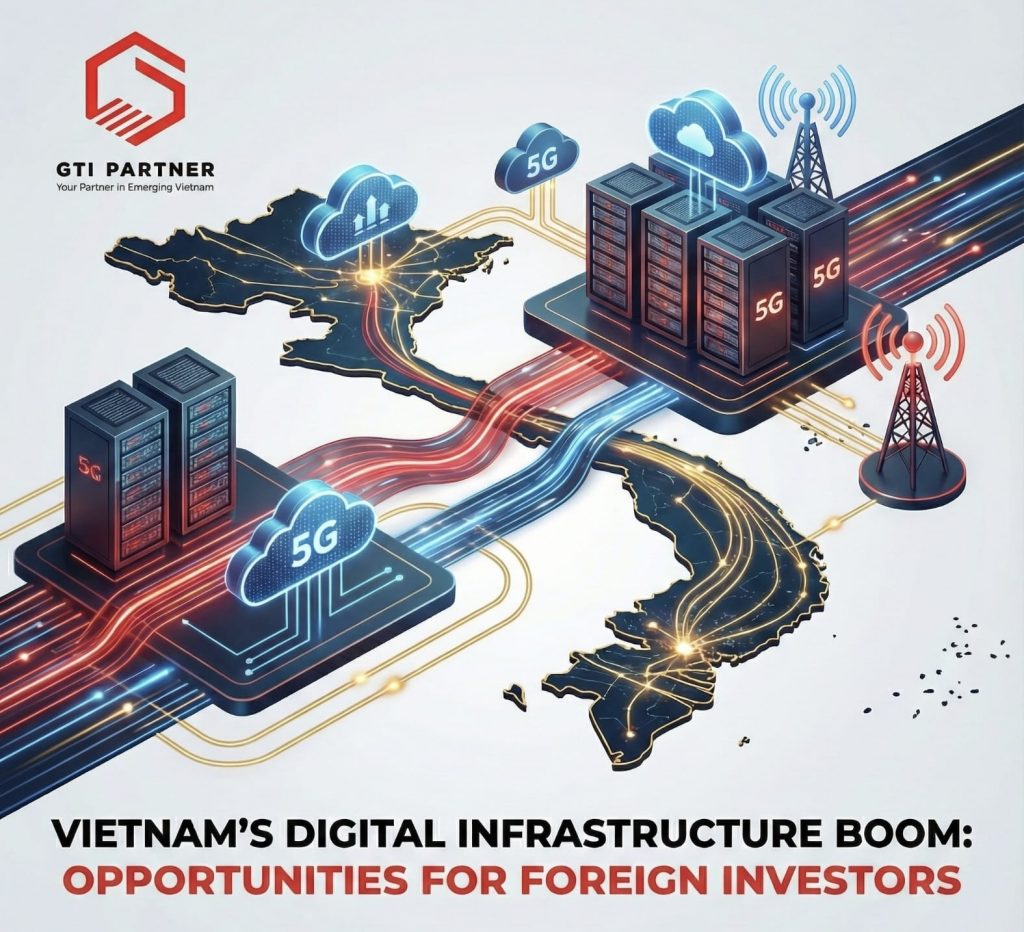
Vietnam’s Digital Infrastructure Boom: Opportunities in Data Centers, Cloud, and Telecom for Foreign Investors
Vietnam’s Digital Infrastructure Boom: Opportunities in Data Centers, Cloud, and Telecom for Foreign Investors Vietnam
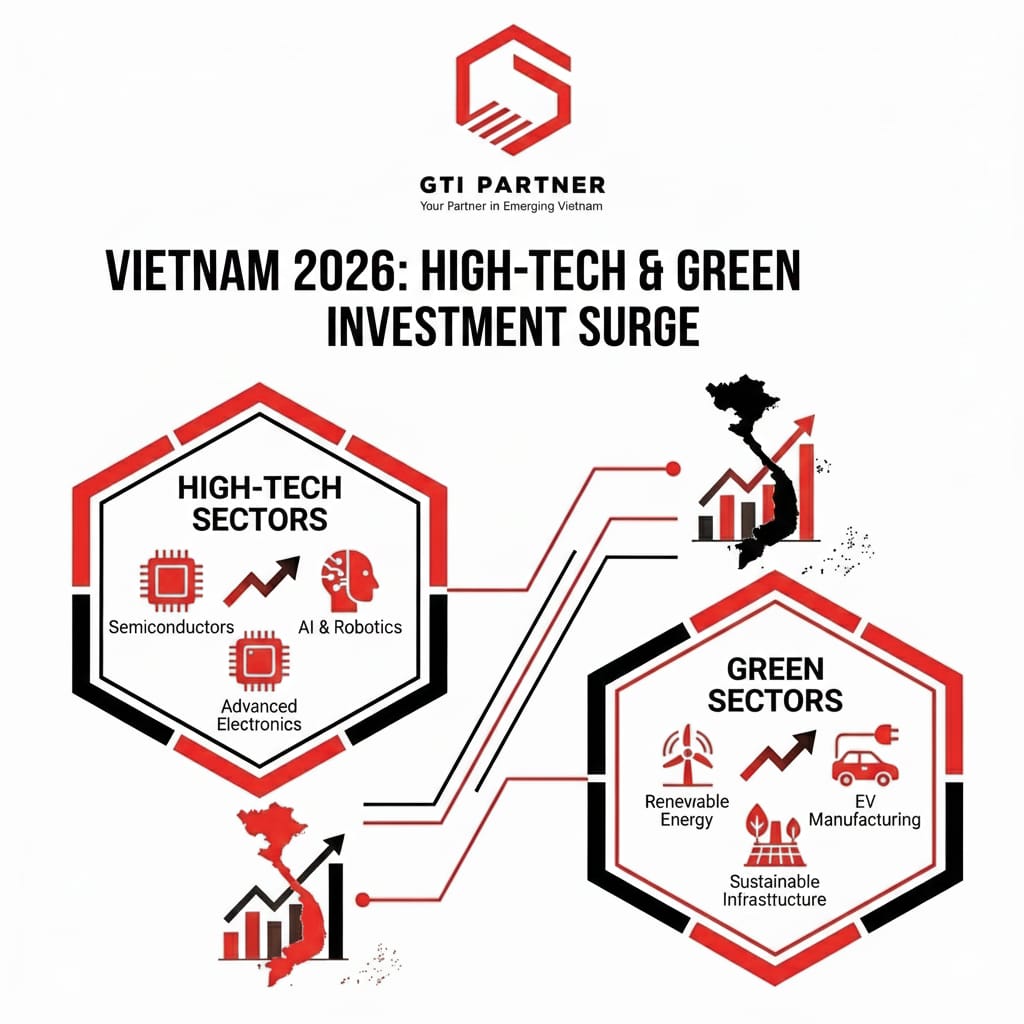
Vietnam’s 2026 FDI Outlook: High-Tech and Green Growth
Vietnam’s 2026 FDI Outlook: High-Tech and Green Growth Vietnam is entering 2026 with strong momentum
🇻🇳 Vietnam’s 8% VAT Policy Extension: What It Means for SMEs and Investors in 2025–2026
🇻🇳 Vietnam’s 8% VAT Policy Extension: What It Means for SMEs and Investors in 2025–2026
Vietnam’s Manufacturing Talent Shift: How Workforce Upskilling Is Powering the Next Phase of Industrial Growth
Vietnam’s Manufacturing Talent Shift: How Workforce Upskilling Is Powering the Next Phase of Industrial Growth